Ever walked into an all-white room and felt like you were standing inside an empty refrigerator? You’re not alone. Monochrome spaces can feel flat, cold, and a little soulless — but only if you skip the secret ingredient: texture.
The truth is, color isn’t the only thing that creates visual interest. Texture adds dimension, warmth, and that “expensive boutique hotel” feeling, even when your entire palette is one single shade.
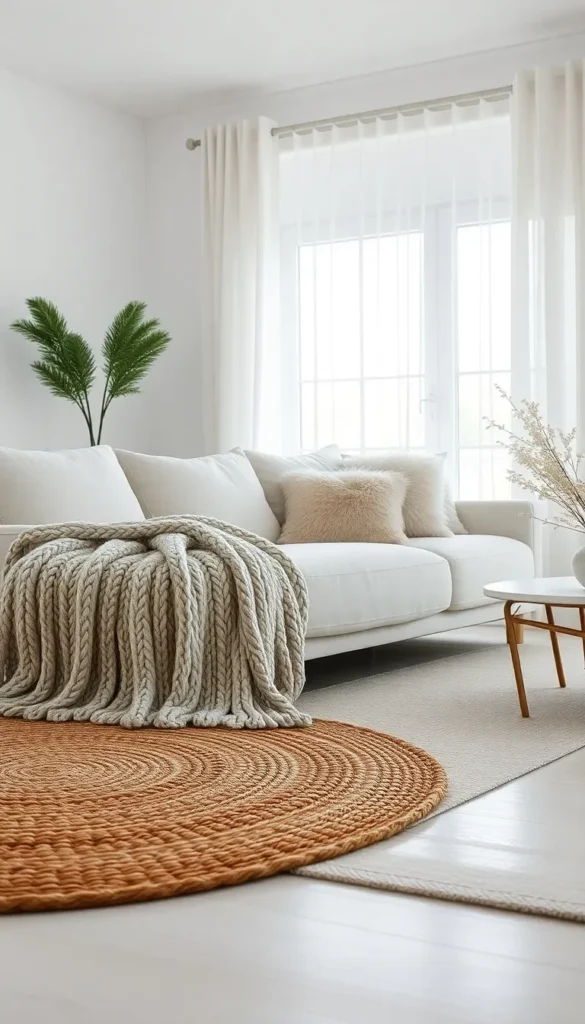
If you’re ready to transform your monochrome space from “blah” to “wow,” here’s exactly how to do it.
Why Texture Matters More Than Color in Monochrome Spaces
When you remove color from the equation, your eyes naturally search for something to focus on. That’s where texture comes in.
Texture creates:
- Shadow and light play — bumps, weaves, and ridges catch light differently throughout the day
- A tactile experience — rooms feel inviting when they look touchable
- Visual hierarchy — your eye knows where to land first, second, third
Without texture, monochrome rooms can feel sterile. With it, they feel curated and intentional.
Layer Different Fabric Weights
Start with your soft furnishings. The trick is mixing fabric weights and weaves so nothing feels repetitive.
Try combining:
- Chunky knits (throws, poufs) for a cozy, oversized feel
- Linen for a relaxed, slightly wrinkled texture
- Velvet for a smooth, light-catching contrast
- Boucle for subtle bumpy interest
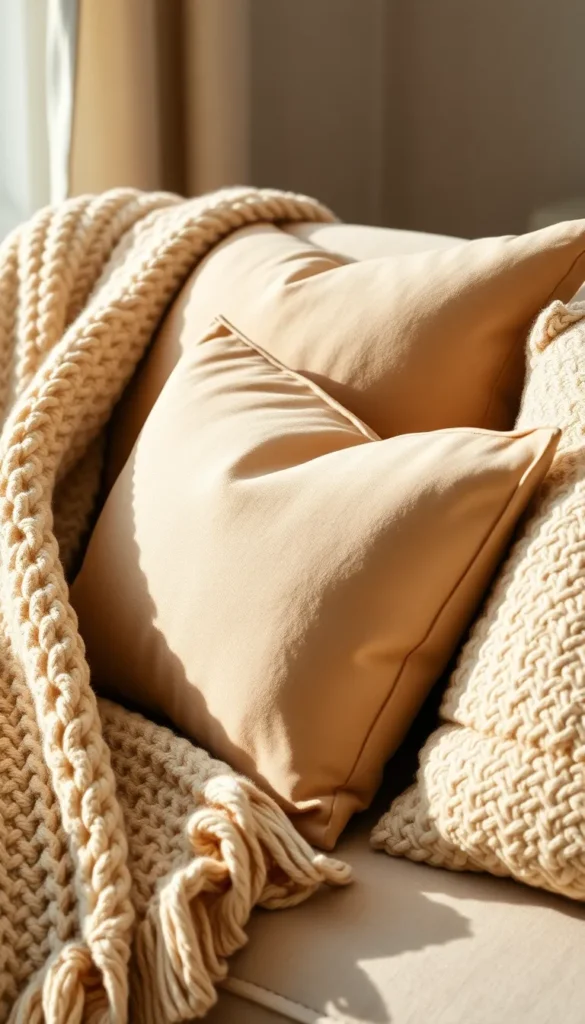
A simple rule: if two textures next to each other feel too similar, swap one out for something with more contrast.
Bring in Natural Materials
Nothing adds depth to a monochrome room faster than raw, natural materials. They bring an organic, grounded energy that fabric alone can’t achieve.
Look for:
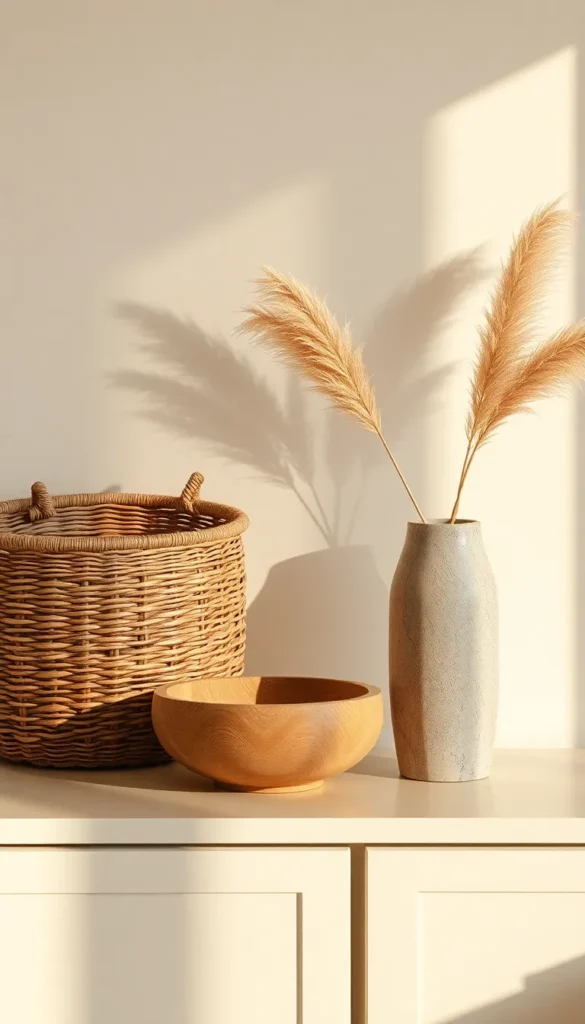
- Rattan or wicker baskets
- Wooden bowls or trays with visible grain
- Stone coasters or vases
- Woven seagrass rugs
These materials naturally vary in tone even within a single color family, which tricks the eye into seeing more depth than is actually there.
Play with Matte vs. Glossy Finishes
This is the step most people skip — and it’s a game-changer.
In a monochrome room, finish is everything:
- Matte surfaces (plaster walls, unglazed ceramics) absorb light and feel soft
- Glossy surfaces (lacquered furniture, glass, mirrors) bounce light and feel sharp
Mixing the two creates contrast without introducing a new color. A matte white wall next to a glossy white vase suddenly looks intentional rather than accidental.
Quick tip: If your room feels too flat, add one glossy element. If it feels too busy, add one matte element to calm it down.
Don’t Forget the Walls and Ceiling
Texture doesn’t stop at furniture — your walls can do a lot of heavy lifting too.
Consider:
- Limewash or Venetian plaster for subtle, cloud-like variation
- Wood paneling painted in the same tone as your walls
- Textured wallpaper (grasscloth, linen-look, or subtle geometric)
- Exposed brick, even painted, for an instant tactile layer
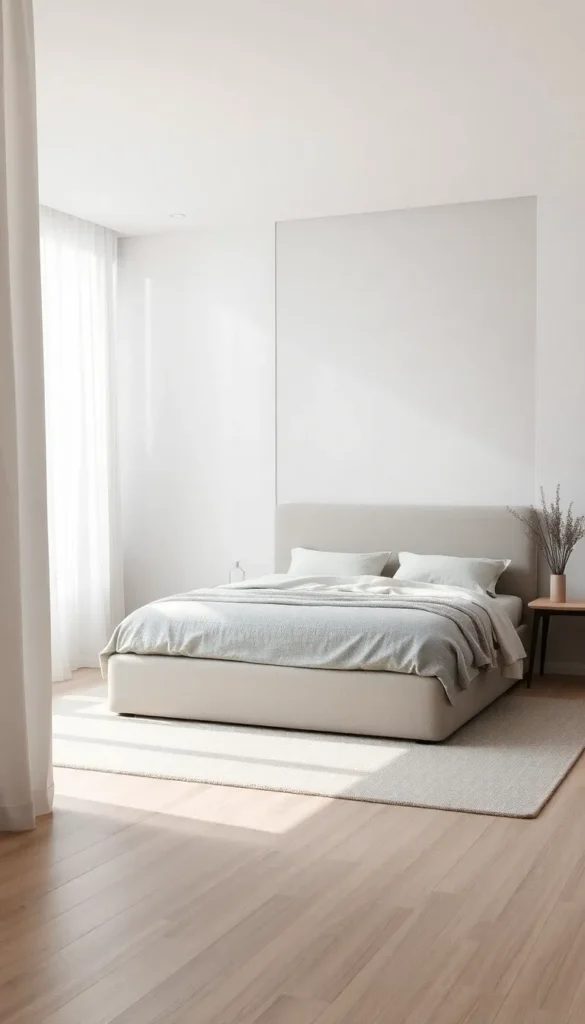
These choices add depth from floor to ceiling, so the texture story feels complete rather than limited to your coffee table.
Layer Lighting to Highlight Texture
Here’s a tip most decorating guides miss: lighting is what actually reveals texture. A beautifully textured room in flat, even lighting can still look dull.
To highlight texture properly:
- Use warm, low lighting (think 2700K bulbs) to create soft shadows
- Add a few directional lamps to cast light across textured surfaces
- Avoid harsh overhead lighting that flattens everything
The right lighting setup will make every knit, weave, and grain pattern pop, even in an all-white or all-beige room.
Final Styling Tip: Group in Threes
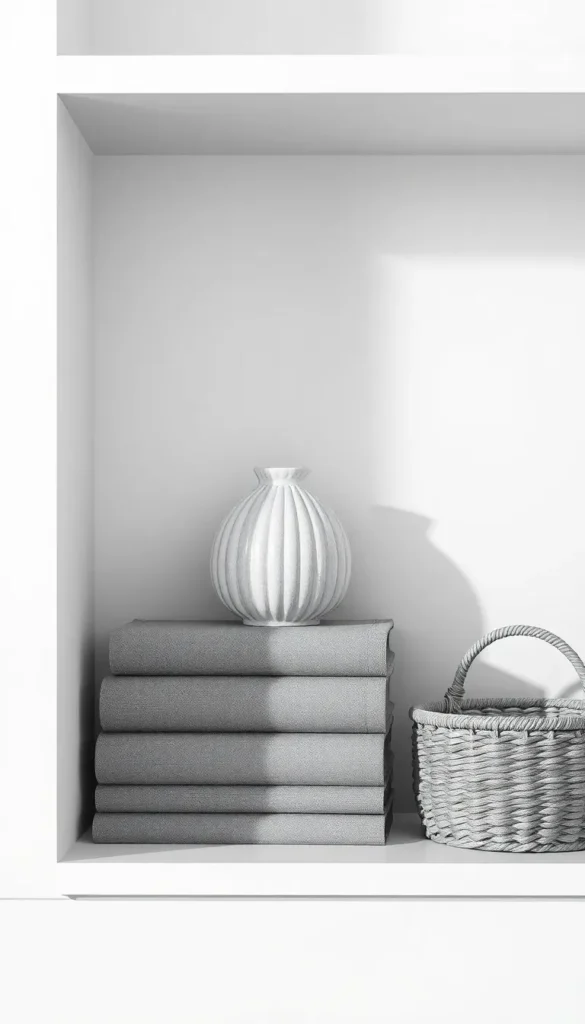
When adding textured accessories — vases, candles, books, trays — group them in odd numbers, ideally three. This creates a natural visual rhythm and prevents your styling from looking too symmetrical or stiff.
Wrapping It Up
Monochrome doesn’t have to mean boring. With the right mix of fabrics, natural materials, finishes, and lighting, a single-color room can feel layered, warm, and full of personality.
The secret isn’t more color — it’s more texture.
Save this post for your next decorating session, and start layering your way to a richer, cozier monochrome space!