You don’t need a trust fund to create a living room that looks like it belongs in a magazine. The secret? Understanding that expensive-looking spaces aren’t about how much you spend—they’re about how thoughtfully you design. A few strategic choices can transform your living room from “just okay” to “wow, who’s your designer?” without draining your savings account.
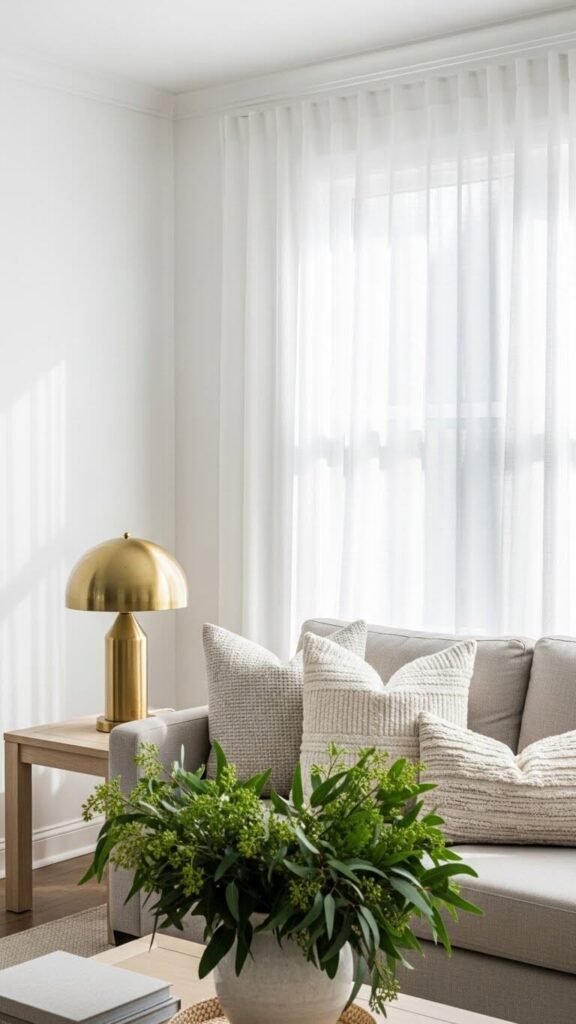
The difference between a room that feels expensive and one that doesn’t often comes down to details most people overlook. Let’s break down exactly how to elevate your living room using smart design tricks that won’t break the bank.
Start with a Cohesive Color Palette
Pick three colors and stick with them throughout the room. This could be cream, navy, and gold—or gray, blush, and black. The consistency creates visual harmony that immediately reads as intentional and sophisticated.
Paint is your cheapest transformation tool. One gallon costs $30-40 and can completely change how your space feels. Choose a neutral base for walls, then add your accent colors through pillows, artwork, and accessories.
Avoid the temptation to bring in every color you love. That collected-over-time look can work, but it requires more skill to pull off. When in doubt, less variety equals more polish.
Invest in One Quality Statement Piece
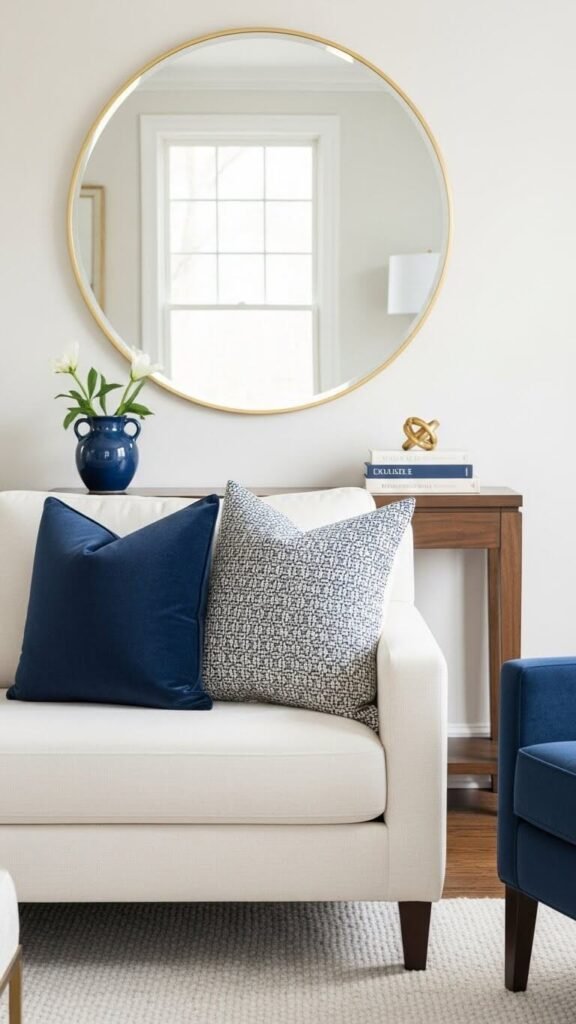
Here’s where you actually spend money—but just on one thing. A beautiful sofa, an oversized piece of art, or a stunning coffee table can anchor your entire room. Everything else can be budget-friendly.
Quality pieces have better lines, superior materials, and construction that lasts decades. A $800 sofa with clean design and solid frame beats five cheap furniture pieces totaling the same amount. Shop end-of-season sales, floor models, or gently used options to save 30-50%.
That one investment piece gives your room credibility. Guests notice the beautiful sofa, not the Target side table next to it. This is the foundation everything else builds on.
Layer Your Lighting Like a Designer
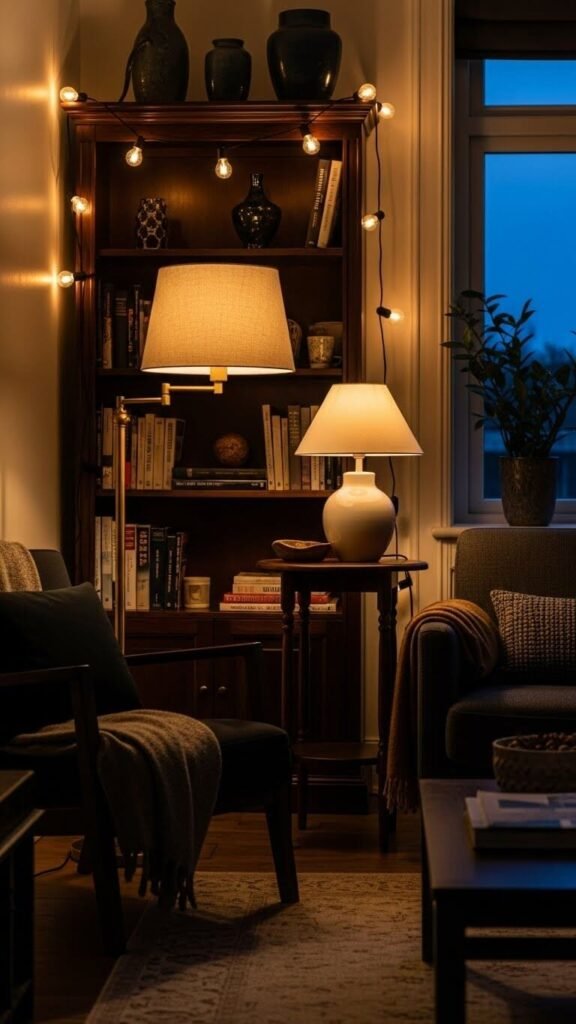
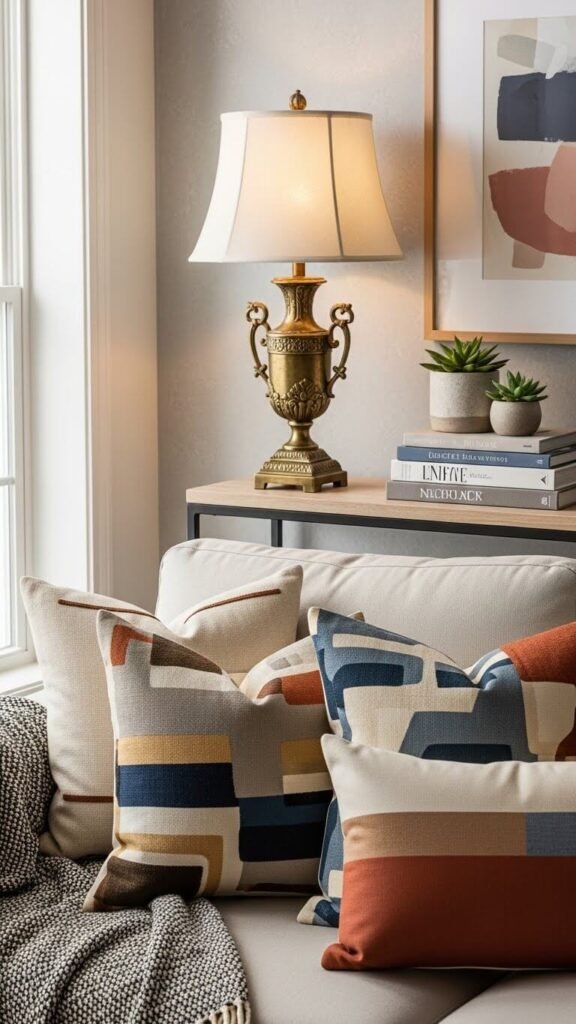
Overhead lighting alone screams “rental apartment.” Add table lamps, floor lamps, and even candles to create depth and ambiance. This is the single fastest way to make any room feel more expensive.
Use warm bulbs (2700K) in every fixture. The golden glow mimics natural evening light and makes spaces feel welcoming. Cool white bulbs give off that harsh office vibe nobody wants at home.
Place lamps at different heights throughout the room:
- Table lamps on side tables (eye level when seated)
- Floor lamps in dark corners
- Picture lights on artwork if budget allows
Dimmer switches cost $15-20 and install in minutes. This lets you control mood and makes even basic fixtures feel custom.
Style Surfaces with the “Rule of Three”
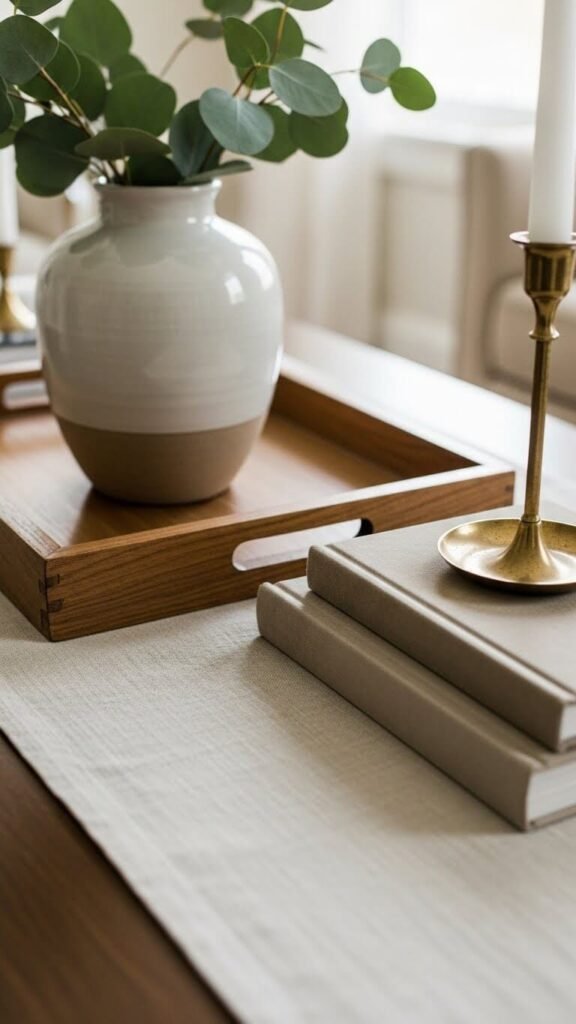
Group decorative items in threes on coffee tables, shelves, and consoles. Odd numbers create visual interest while even numbers can look too symmetrical and staged.
Vary the heights and textures within each grouping. A tall vase, medium candle, and small decorative object work better than three identical items. This creates dimension that draws the eye.
Leave breathing room. Luxury spaces aren’t crowded—they have carefully chosen pieces with space around them. Your coffee table doesn’t need ten things on it. Three to five intentional items look infinitely more expensive.
Stack beautiful books (thrift stores sell hardcovers for $2-3), add a small plant, place a decorative bowl. Done. Less clutter equals more sophistication.
Bring in Texture and Natural Materials
Mix materials like linen, velvet, wood, brass, and stone. Texture adds visual richness without adding color or pattern, making rooms feel layered and collected over time.
A chunky knit throw costs $25-35 and instantly adds coziness. Velvet pillows bring luxury at $15-20 each. Woven baskets provide storage and organic texture. These small additions create that “expensive” feeling people can’t quite pinpoint.
Real plants beat fake ones if you can keep them alive. A fiddle leaf fig or snake plant costs $20-40 and adds life to the room. Even a simple potted succulent on your coffee table elevates the space.
Hang Curtains High and Wide
Mount curtain rods close to the ceiling and extend them 6-8 inches beyond the window frame on each side. This makes ceilings look taller and windows larger—an instant luxury upgrade.
Floor-length curtains in neutral linen or cotton cost $25-40 per panel. Let them just kiss the floor or puddle slightly. This looks custom and intentional, not like you bought the wrong size.
The difference between curtains hung at window frame height versus ceiling height is dramatic. This one change makes rooms feel more finished and proportioned correctly.
Mix High and Low Pieces Confidently
Nobody needs to know what came from where. A $40 side table from HomeGoods looks expensive when styled next to your quality sofa with a $15 thrifted lamp and $30 coffee table books.
The trick is choosing budget pieces with good design bones:
- Simple, clean lines (not overly ornate)
- Solid construction (shake it in the store)
- Neutral colors that won’t date quickly
Swap out cheap-looking hardware on budget furniture. New drawer pulls or cabinet knobs cost $3-8 each and transform pieces instantly. This tiny detail makes everything look more custom.
Add Architectural Interest
Crown molding, picture frame molding, or board and batten walls add architectural detail that screams expensive. DIY versions use basic lumber and paint.
Picture frame molding costs $50-75 in materials for an accent wall and installs in a weekend. This adds dimension and interest to plain walls without permanent changes—perfect for renters if you fill the nail holes later.
Even simpler: paint your trim and doors a contrasting color. White walls with black trim feels modern and custom. This costs one gallon of paint and transforms the space.
Create a Focal Point
Every room needs something that draws the eye immediately. This could be a fireplace, large artwork, gallery wall, or beautifully styled bookshelf.
If you don’t have an architectural focal point, create one with art. Large-scale pieces (36×48 inches or bigger) make statements. Print your own photography or buy affordable art prints for $30-60, then frame them simply.
Gallery walls work too but require more planning. Use matching frames for cohesion, or create a salon-style wall with varied frames in the same color family. Map it out on the floor first.
The Takeaway
Luxury living rooms aren’t about what you spend—they’re about thoughtful choices that create cohesion, comfort, and visual interest. Start with one quality anchor piece, then build around it with strategic budget finds. Pay attention to lighting, texture, and those small details that signal “expensive” to our brains.
Pick two or three strategies from this list and implement them this weekend. You’ll be amazed how different your space feels with just a few intentional changes. Your living room should make you feel proud every time you walk in—and now it will, regardless of your budget.
Save this guide and tackle one section at a time. Your expensive-looking living room is closer than you think.