Imagine walking through your front door and feeling an instant sense of calm — every room connected, every color intentional, every space feeling like it belongs. That’s the magic of a cohesive color scheme. Whether you’re decorating from scratch or refreshing what you have, getting your colors to flow throughout your home doesn’t have to be overwhelming. It just takes a little strategy.
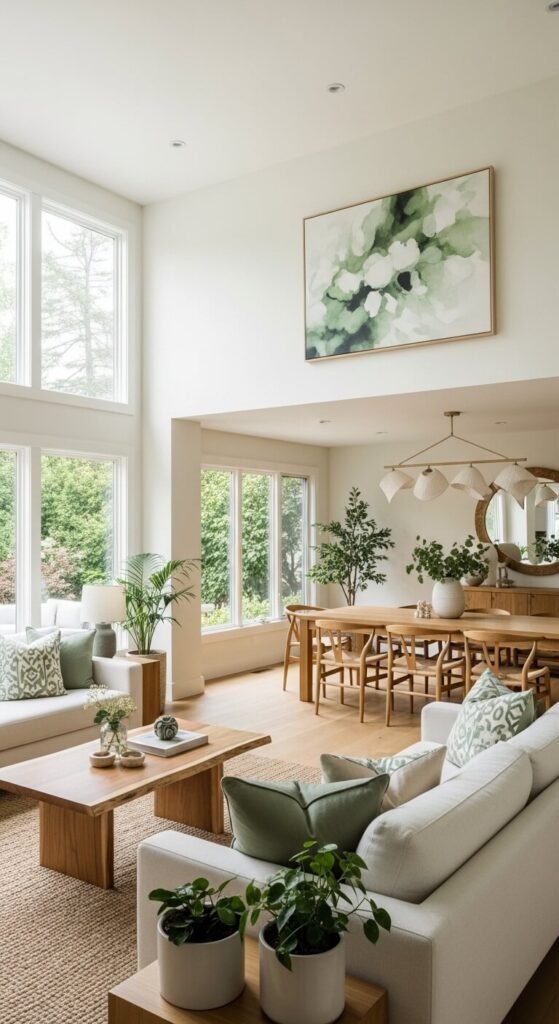
Start With an Anchor Color
Every great color story starts with one hero. Your anchor color is the shade that will appear — in some form — in every room of your home. It’s the thread that ties everything together.
- Look around your home for existing pieces you love: a sofa, a rug, artwork, or tile.
- Pull the dominant color from that piece as your anchor.
- Neutrals like warm white, soft greige, or dusty sage work beautifully because they’re versatile and calming.
Think of your anchor as the background hum of a song — you may not always notice it, but everything feels off without it.
Use the 60-30-10 Rule
This classic design principle is your best friend when building a color palette:
- 60% — Your dominant color (walls, large furniture, rugs)
- 30% — A secondary color (accent chairs, curtains, bedding)
- 10% — Your pop color (throw pillows, art, small décor)
Apply this ratio in every room using different shades or materials, and you’ll naturally create flow without making every space look identical.
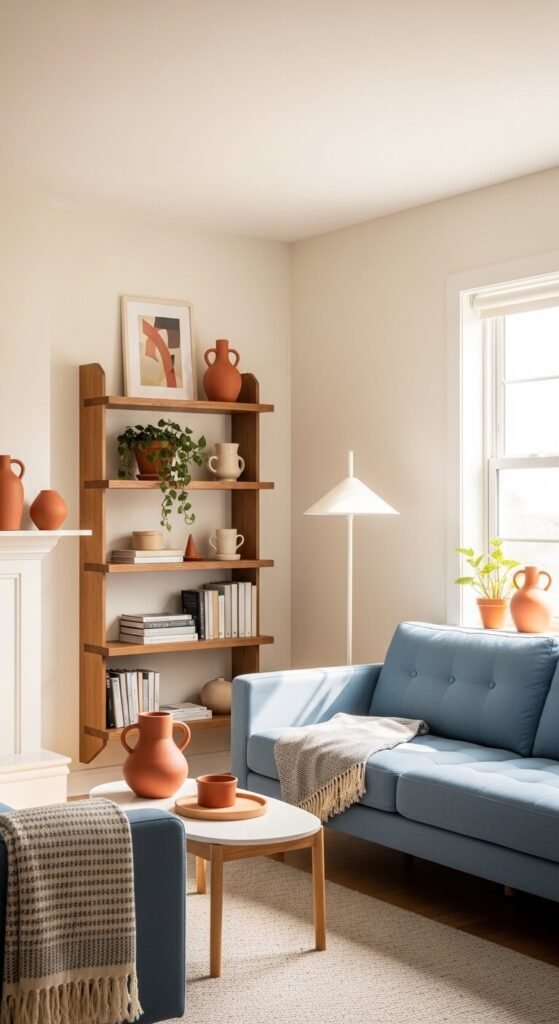
Choose a Consistent Undertone
Here’s where many homeowners go wrong: they pick colors they love individually, but the rooms clash because the undertones don’t match.
- Warm undertones (yellow, red, orange) pair beautifully with creams, woods, and earthy tones.
- Cool undertones (blue, green, gray) feel crisp and modern alongside whites and metals.
- Stick to one undertone family throughout your home, even when the colors themselves change.
A warm blush and a warm terracotta may seem different — but they’ll feel harmonious because they share the same DNA.
Create a Room-by-Room Color Story
Flowing doesn’t mean matching. Each room should feel like the next chapter of the same book — related, but with its own personality.
Here’s a simple way to think about it:
- Living Room: Anchor color at full strength
- Hallway/Transition Spaces: A lighter or muted version of the anchor
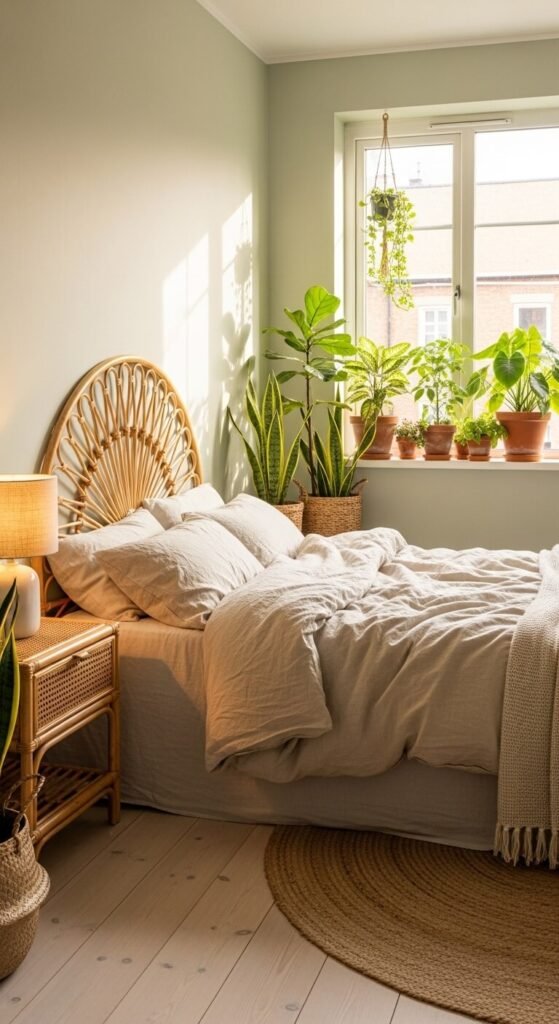
- Bedroom: Softer, quieter tones from the same palette
- Bathroom: One accent color elevated as the star
- Kitchen: Anchor color in small doses through hardware or textiles
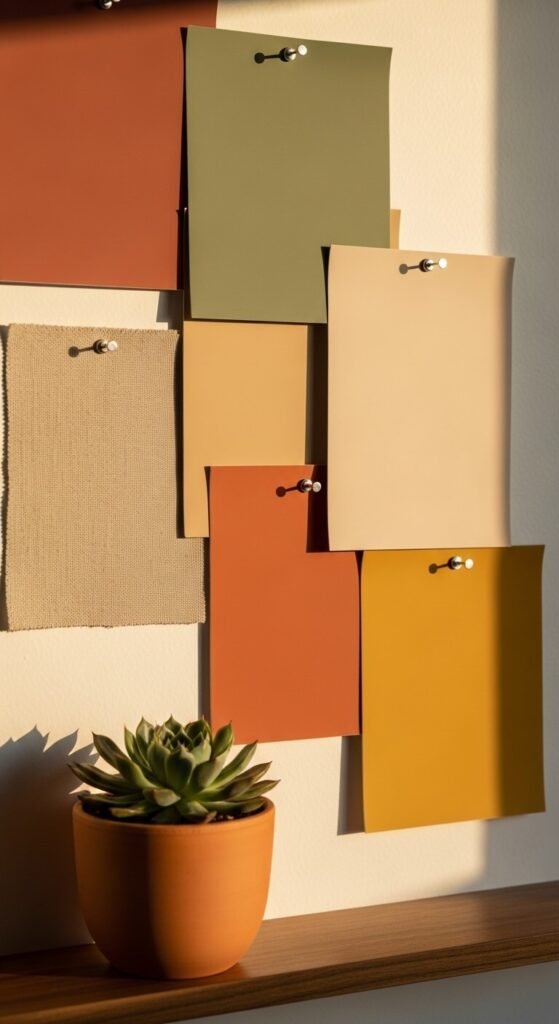
Test Before You Commit
Never — ever — skip this step.
- Paint large swatches (at least 12″x12″) on your actual walls.
- Observe them at different times of day: morning light, midday, and evening lamp light.
- Hold fabric swatches and décor pieces next to the painted swatch.
Colors behave differently depending on light direction, room size, and surrounding materials. What looks perfect in the store can read completely different at home.
Bring It Together With Repeating Accents
The finishing touch? Repetition. Carry small elements of your accent colors through multiple rooms to create visual continuity.
- Use the same metal finish on hardware throughout (brass, matte black, nickel).
- Repeat a textile color — like rust or navy — in pillows, throws, or artwork across spaces.
- Choose plants consistently; greenery is a universal connector that softens every palette.
Your Home, Your Story
A color scheme that flows isn’t about perfection — it’s about intention. When you choose colors thoughtfully, every room whispers the same story, and your home becomes a place that feels truly yours.
Pick your anchor, trust the undertones, and don’t rush the process. 🎨
Save this guide and come back to it when you’re ready to start — your dream home palette is closer than you think.