Ever fallen in love with a sofa online, ordered it, and then watched in horror as it swallowed your entire living room whole? You’re not alone. Choosing furniture is one of those deceptively tricky tasks that feels simple until you’re standing in a showroom, completely overwhelmed. The good news? With a few smart strategies, you can shop with total confidence — and end up with a home that feels both beautiful and livable.
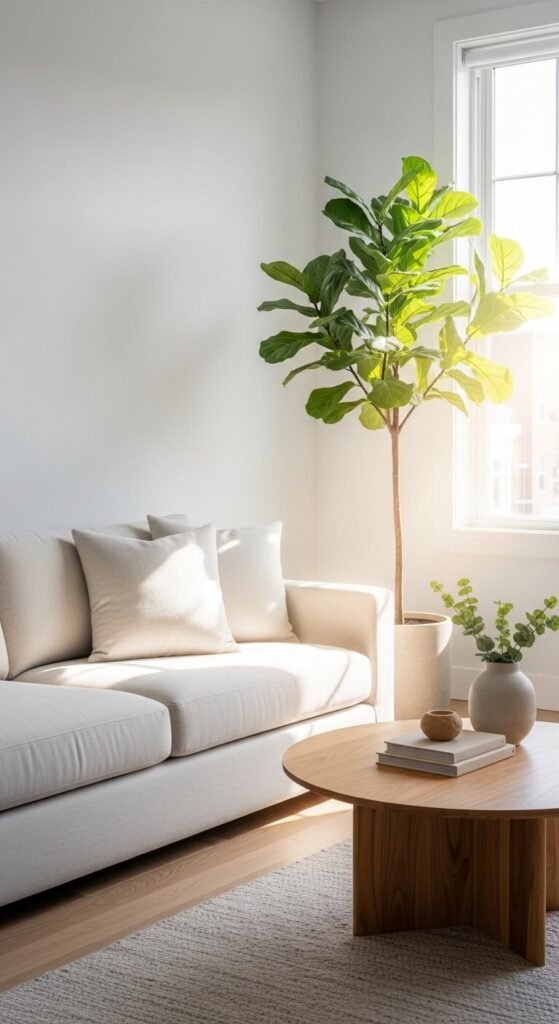
Start With Measurements (Before Anything Else)
This is the step most people skip — and the one they always regret skipping.
Before you browse a single website or step into a single store, grab a tape measure and get familiar with your space:
- Measure the room — length, width, and ceiling height
- Note doorways and hallways — your furniture has to actually get in the room
- Mark outlets, vents, and windows — these affect where pieces can realistically go
- Use painter’s tape on the floor to outline furniture dimensions before buying
A good rule of thumb: leave at least 18 inches of walkway between major pieces, and 36 inches near high-traffic paths like entryways.
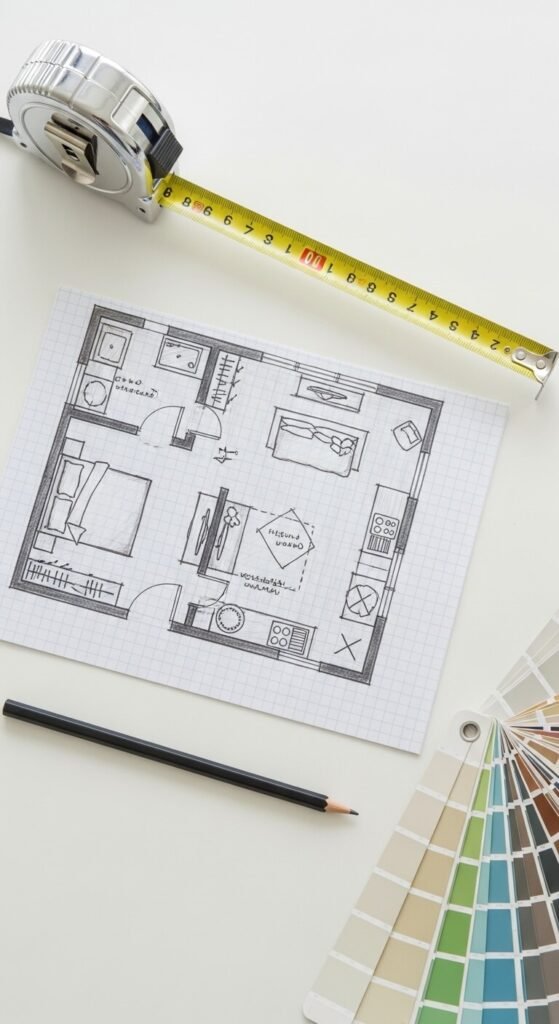
Define Your Lifestyle First
A furniture piece isn’t just décor — it’s a tool. And the right tool depends entirely on how you live.
Ask yourself honestly:
- Do you have kids or pets? → Prioritize durable, stain-resistant fabrics like microfiber or performance velvet
- Do you work from home? → You may need a desk setup that blends into your living space seamlessly
- Do you entertain often? → Opt for extendable dining tables and stackable seating
- Is this a small apartment? → Look for multi-functional pieces like storage ottomans or sofa beds
Your furniture should support your real life — not the Pinterest-perfect version of it.
Match Scale to Your Space
One of the biggest design mistakes people make is choosing furniture that’s the wrong scale for the room.
Here’s a quick cheat sheet:
- Small rooms → Choose leggy furniture (pieces raised off the floor) to create visual breathing room. Avoid bulky, low-profile sectionals.
- Large rooms → Don’t underscale. A tiny sofa floating in a big room looks just as awkward as an oversized one cramped into a small space.
- Low ceilings → Keep furniture low and horizontal to avoid making the room feel even more compressed
- High ceilings → Use tall bookshelves or floor-to-ceiling curtains to fill vertical space beautifully
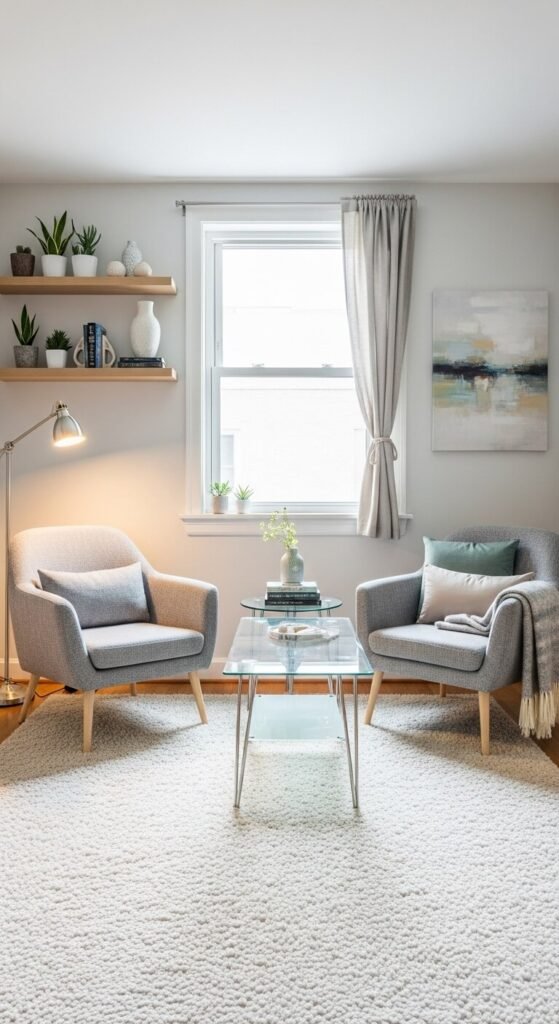
Choose a Style That You’ll Actually Love Long-Term
Trends come and go. That ultra-bold statement chair might feel fresh today and dated in three years. When investing in larger, more expensive pieces — sofas, dining tables, beds — lean toward timeless over trendy.
- Neutrals are your foundation — whites, creams, warm grays, and natural wood tones never go out of style
- Add personality through accents — cushions, throws, rugs, and smaller décor pieces are easy (and affordable) to swap out
- Mix textures, not just colors — linen, wood, metal, and rattan together create depth and warmth
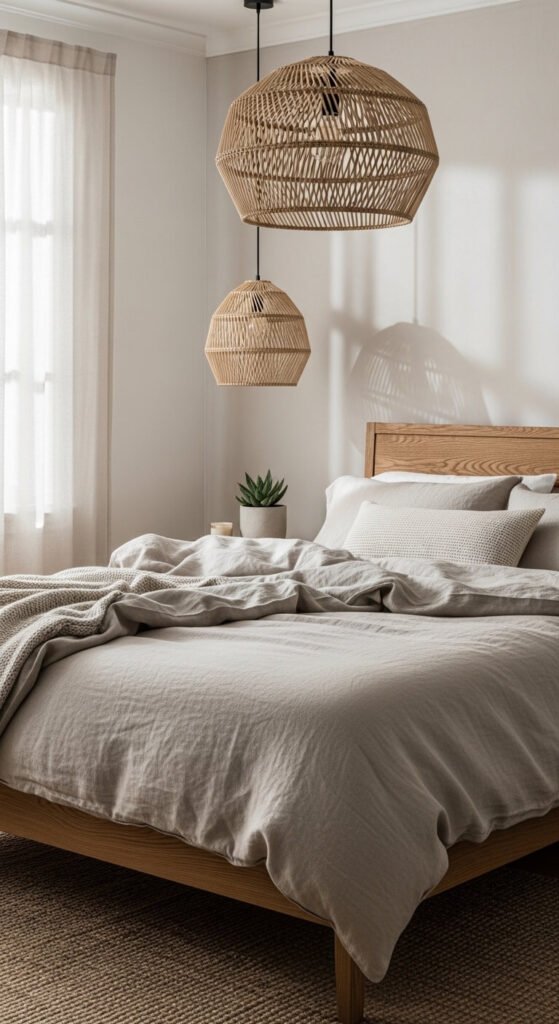
Don’t Forget Function Within the Furniture
Every piece you bring home should earn its place. Before buying, ask:
- Does it have storage built in? (drawers, shelves, hidden compartments)
- Is it easy to clean for your real-life scenario?
- Will it grow with you — or only work in this exact apartment?
- Is it comfortable enough to actually use daily, not just look at?
The most beautiful furniture in the world is useless if it doesn’t work for you.
The Golden Rule: Live With It Before You Commit
Whenever possible, request fabric swatches, test cushions in person, and use augmented reality apps (like those offered by IKEA or Wayfair) to visualize pieces in your actual space before clicking “buy.”
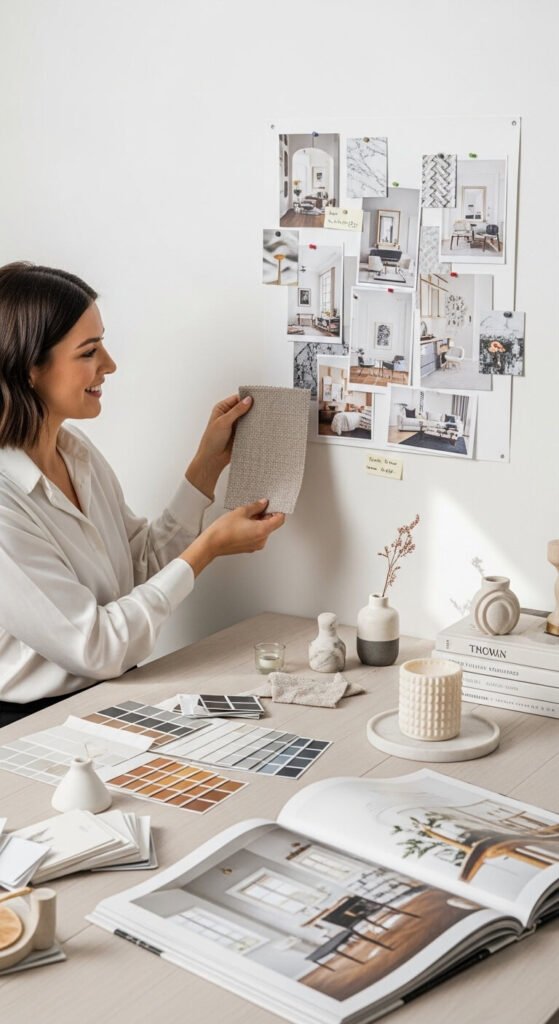
Your home should feel like you — not a furniture catalog. Take your time, trust your measurements, and always choose livability over impulse.
💾 Save this guide before your next furniture shopping trip — your future self (and your living room) will thank you!