Your bed is the heart of your bedroom — but it’s the headboard that gives it a soul. A great headboard doesn’t just lean against the wall looking pretty; it sets the tone for your entire space, ties your color palette together, and turns a plain mattress-and-frame situation into a designed room.
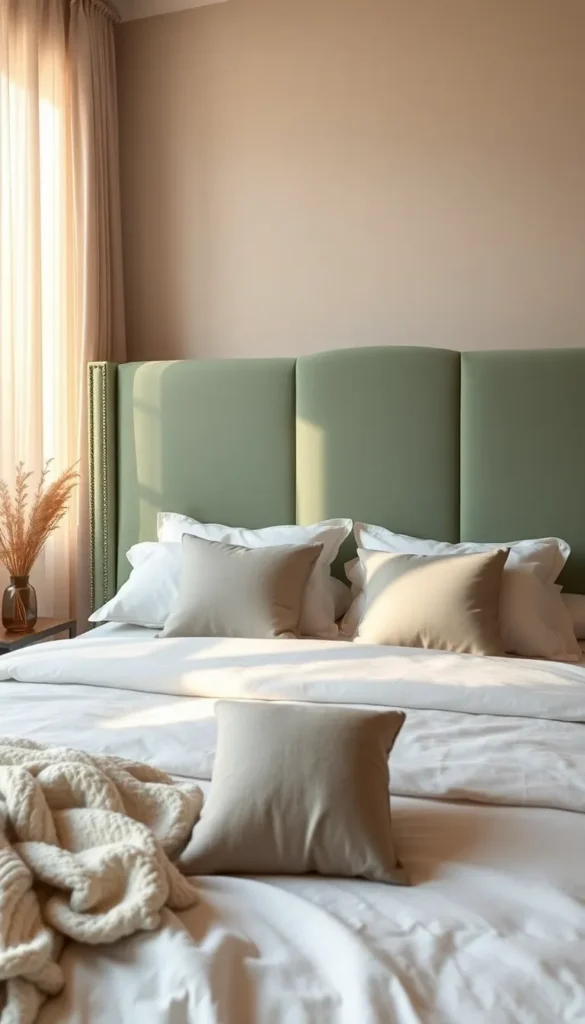
If you’ve ever stood in a furniture store completely overwhelmed by tufted velvet, rattan, and shiplap-style options, this guide is for you. Let’s break down exactly how to pick a headboard that actually anchors your room instead of fighting with it.
Start With Your Room’s Overall Vibe
Before you fall in love with a headboard on Pinterest, take a step back and ask: what’s the personality of this room already?
- Cozy and romantic? Lean toward upholstered, channel-tufted, or curved shapes.
- Minimalist and modern? Think clean lines, low-profile wood, or simple platform-style panels.
- Boho and textured? Rattan, woven cane, or carved wood headboards instantly add warmth.
- Farmhouse charm? Whitewashed wood or shiplap-paneled headboards feel right at home.
Your headboard should feel like it belongs in the room, not like it was dropped in from a showroom.
Consider Scale and Proportion First
This is the step people skip — and it’s the one that makes or breaks the whole look.
A headboard that’s too small for your bed frame looks awkward, like a hat that doesn’t fit. A headboard that’s too tall for a low-ceiling room can feel overwhelming. Here’s a quick gut-check:
- The headboard should be roughly the same width as your mattress (or slightly wider).
- For ceilings under 9 feet, keep headboard height moderate — under 50 inches is usually safe.
- Got high ceilings or want a dramatic look? Go tall and let it become a statement wall.

Pick a Material That Matches Your Lifestyle
Headboards aren’t just about looks — they’re a daily-use piece of furniture, so think practically too.
Upholstered (fabric or velvet)
- Soft, comfortable to lean against while reading
- Adds instant texture and coziness
- Best for bedrooms that lean romantic or transitional
Wood
- Durable, timeless, easy to clean
- Works in almost any style from rustic to mid-century
- Great if you have kids or pets in the house
Metal
- Sleek and minimal, often more affordable
- Pairs beautifully with industrial or vintage-eclectic spaces
- Can feel cold to lean against, so add pillows for comfort
Rattan or Cane
- Adds organic texture without visual heaviness
- Perfect for boho, coastal, or jungalow-style rooms
- Tends to be lighter and easier to move
Let Color Do the Heavy Lifting
Your headboard is essentially a giant piece of “wall art” behind your bed, so its color matters more than people think.
- Neutral tones (oatmeal, cream, soft gray) act as a calming anchor and play well with changing décor.
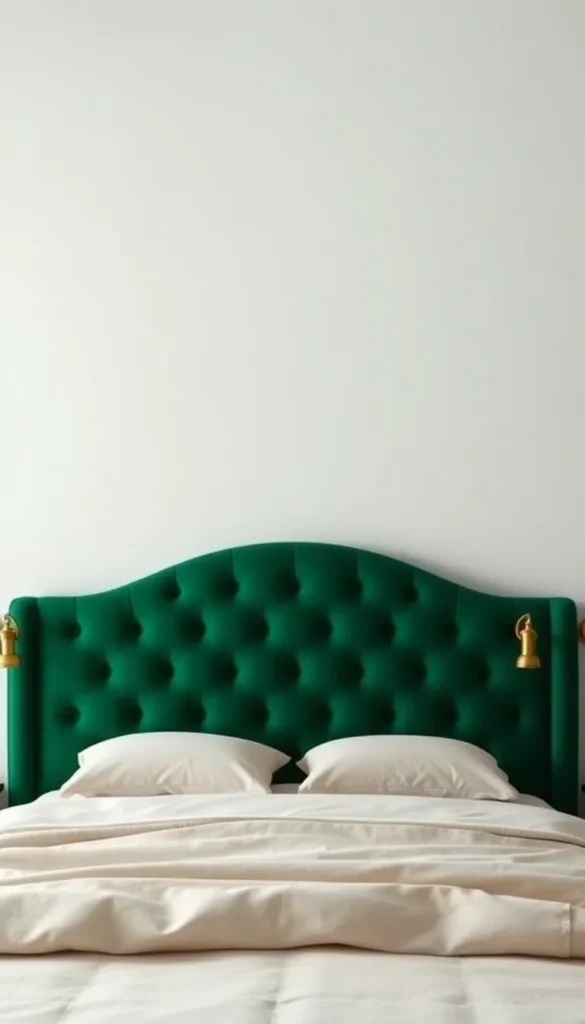
- Bold colors (emerald, navy, terracotta) make the bed the focal point of the room.
- Matching wood tones to your nightstands or dresser creates a cohesive, intentional look.
A simple trick: if your bedding and walls are already busy with pattern, choose a solid, quiet headboard. If your walls are calm and neutral, this is your chance to go bold.
Don’t Forget Texture and Shape
Texture is what makes a headboard feel expensive, even if it wasn’t.
- Channel tufting adds vertical lines and softness
- Arched or curved shapes soften a room full of straight furniture lines
- Paneled wood brings architectural interest, almost like built-in millwork
- Woven or caned details introduce organic texture without clutter
Mixing a curved headboard with otherwise angular furniture (dressers, nightstands) creates great visual contrast — this is a simple designer trick that makes a room feel curated rather than matchy-matchy.
Think About Function, Not Just Form
A headboard can multitask if you let it:
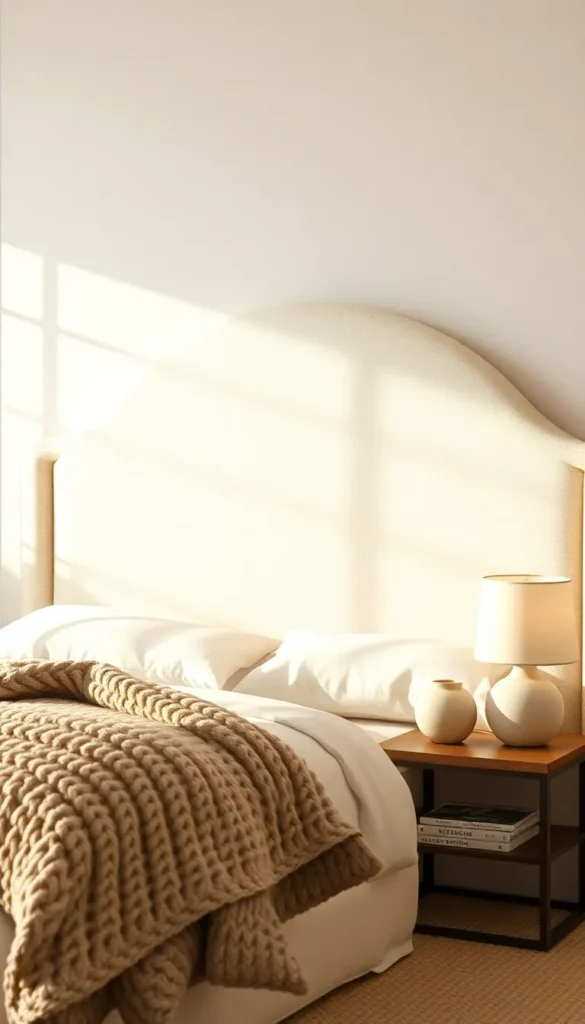
- Built-in shelving for books, a lamp, or your phone charger
- Padded panels for comfortable reading in bed
- Attached lighting to skip bedside lamps altogether
- Storage headboards that hide cables or small items behind panels
If you’re working with a small bedroom, a functional headboard can replace the need for nightstands altogether — instant visual breathing room.
Final Tip: Always Test It in the Room’s Lighting
A headboard that looks gorgeous under store lighting can look completely different under your bedroom’s natural light or warm lamps at night. If possible:
- Order fabric swatches or wood samples first
- View them at different times of day
- Hold a paint swatch or fabric sample up against your existing wall color
This one extra step saves so much regret later.
Choosing the right headboard isn’t about chasing trends — it’s about finding the piece that makes your whole room feel pulled together. Once you nail this one decision, the rest of your bedroom styling becomes so much easier.
Save this post so you can reference it next time you’re headboard shopping! 🛏️