
Making the most of a small living space doesn’t mean sacrificing style or comfort. Whether you’re in a cozy apartment, a tiny house, or just working with limited square footage, smart decor choices can transform cramped quarters into functional, beautiful spaces. These practical tricks help you reclaim wasted areas, create the illusion of more room, and keep your home organized without breaking the bank. From furniture that does double duty to clever visual hacks, you’ll discover simple ways to make every inch count.
Mount Floating Shelves Above Doorways
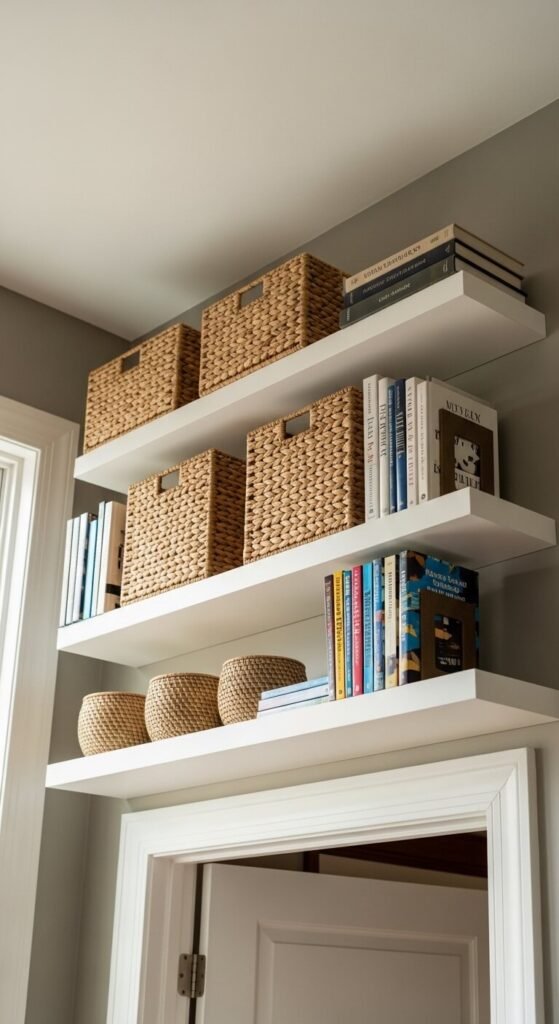
That blank wall above your door is prime real estate going to waste. Install shallow floating shelves 12-18 inches above door frames to store books, decorative boxes, or seasonal items. Use matching baskets to hide clutter while keeping things accessible. Paint shelves the same color as your walls to make them blend in, or choose a contrasting shade to add visual interest. This DIY project costs under $30 and takes about an hour. Just make sure items won’t fall when doors slam.
Choose Furniture with Exposed Legs

Bulky furniture that sits flat on the floor makes rooms feel cramped and heavy. Swap it for pieces with visible legs that let light and sight lines flow underneath. A sofa on 6-inch legs instantly creates a more spacious feel than one with a solid base. Look for secondhand mid-century pieces or add affordable screw-in legs to existing furniture. This simple change helps with cleaning too—no more wrestling with vacuums around solid bases. Target sells leg sets for $15-25 that work with most sofas and chairs.
Hang Curtains at Ceiling Height
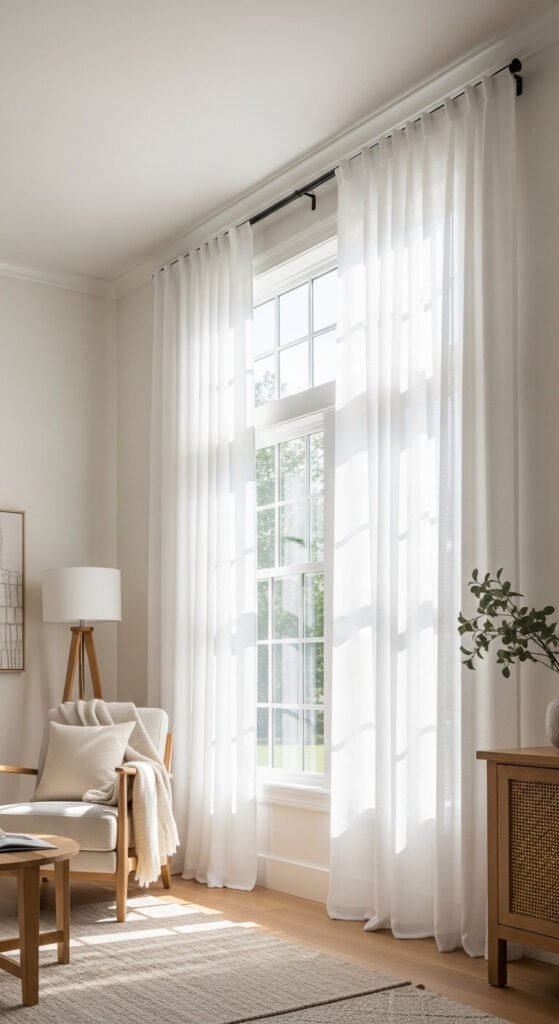
Stop hanging curtain rods right above your window frame. Mount them as close to the ceiling as possible and let panels fall to the floor. This draws the eye upward and makes walls appear taller. Use inexpensive tension rods for a damage-free rental solution, or install permanent hardware for $20-40. Choose light-colored, sheer fabrics to maintain brightness while adding privacy. The vertical lines created by properly hung curtains can make a standard 8-foot ceiling feel several inches taller.
Create Zones with Area Rugs

Area rugs do more than protect floors—they define separate living zones in open layouts. Place a 5×7 rug under your dining table and a different one beneath your sofa to create distinct areas without walls. This visual separation makes spaces feel organized and intentional. Shop clearance sales at HomeGoods or check Facebook Marketplace for budget finds. Layer smaller rugs over larger neutral ones for added dimension. Make sure each rug is large enough that all furniture legs sit on it, not just the front ones.
Install a Pegboard Wall System
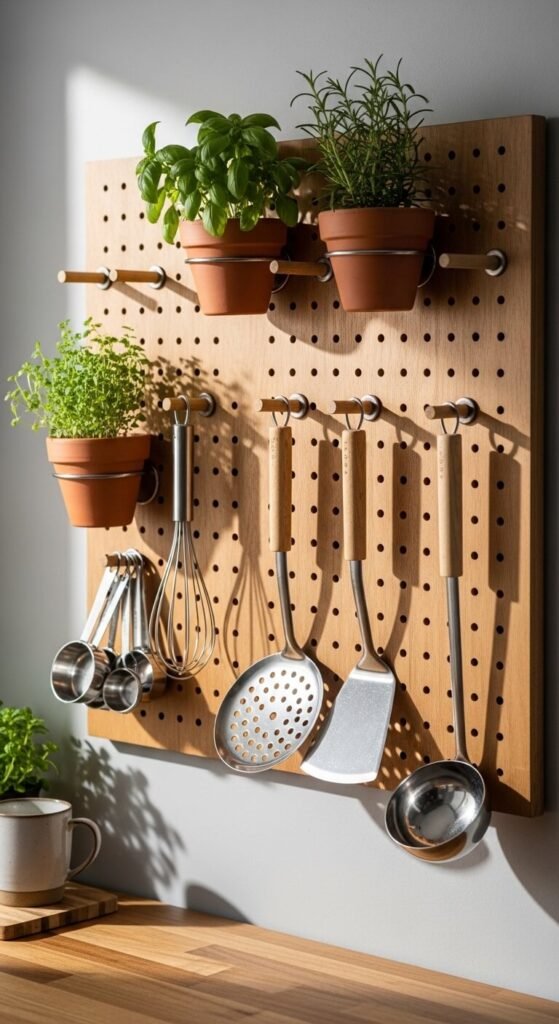
Pegboard isn’t just for garages anymore. Mount a painted pegboard on any empty wall to create customizable storage that adapts as you go. Use it in kitchens for utensils, in bedrooms for jewelry, or in entryways for keys and bags. A 4×8 sheet costs around $15 at hardware stores. Paint it to match your decor, then arrange hooks and shelves however you like. Rearrange pegs anytime without new holes. This system keeps daily items visible and within reach while freeing up drawer and counter space.
Use Mirrors Opposite Windows
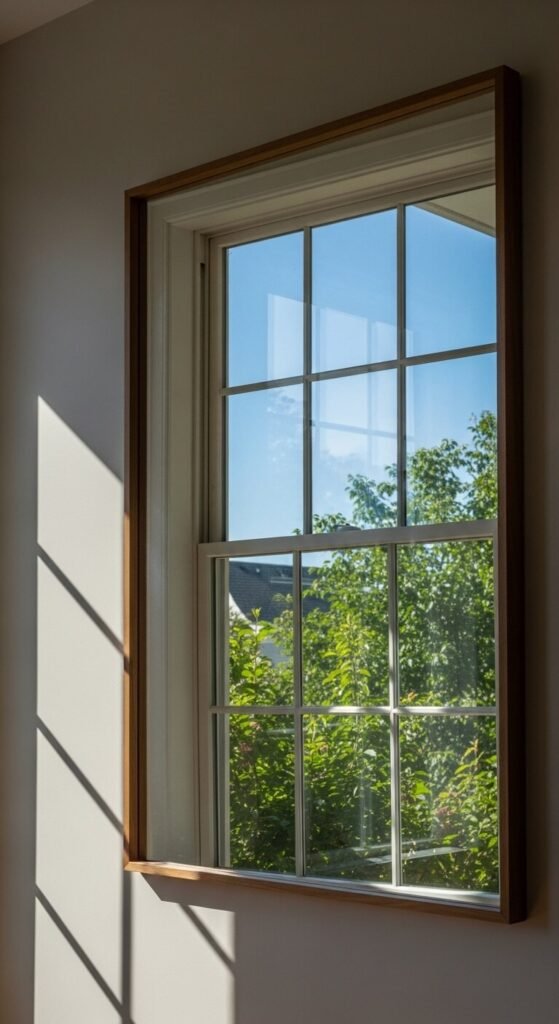
Mirrors are the oldest trick in the small-space playbook, but placement matters. Hang a large mirror directly across from your brightest window to bounce light throughout the room and create the illusion of an additional window. Thrift stores often have oversized mirrors for $20-50. Lean a floor mirror against the wall instead of hanging it for an easier rental-friendly option. Avoid placing mirrors where they reflect clutter or awkward angles. The goal is to multiply light and views, not mess.
Choose Multi-Function Ottoman Storage

Ottomans that open up for storage are workhorses in small spaces. Use them as coffee tables, extra seating, footrests, and hidden storage all at once. Fill them with throw blankets, board games, or out-of-season clothes. Look for cube-shaped options that tuck perfectly under console tables when not in use. Target and IKEA offer sturdy versions for $40-80. Choose neutral colors that work with changing decor styles. Add a wooden tray on top to create a stable surface for drinks and remotes.
Mount Your TV on the Wall

TV stands eat up precious floor space. Wall-mount your television instead to free up square footage and create a cleaner look. Basic mounts start at $20, and installation takes about 30 minutes with a stud finder and drill. Hide cords inside cable channels that stick to walls or snake them behind furniture. The space below becomes perfect for a narrow console, shelving, or nothing at all. Just check your lease first—some rentals don’t allow wall mounts.
Add Hooks Inside Cabinet Doors

Cabinet doors have two sides, but most people only use one. Stick adhesive hooks inside doors to hang measuring cups, pot lids, cleaning supplies, or hair tools. This keeps items organized without taking up shelf space. Command hooks work perfectly and won’t damage surfaces when removed. In bathrooms, hang hair dryers and straighteners. In kitchens, corral pot lids or cutting boards. Each door becomes a mini storage zone. Spend $10 on a pack of hooks and reclaim your shelves.
Embrace Vertical Garden Walls
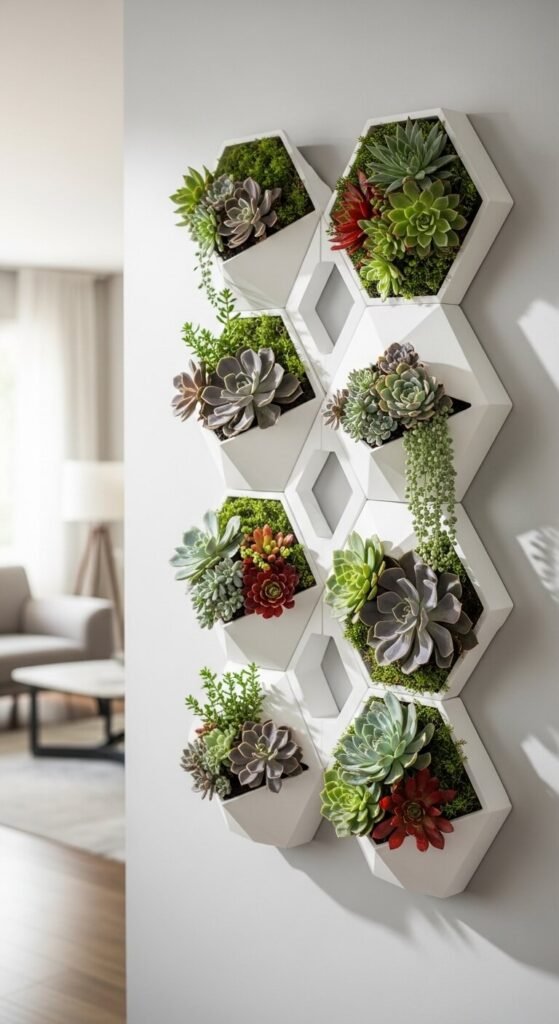
Bring plants into your space without sacrificing surface area by growing up instead of out. Wall-mounted planters, hanging pots, or pocket gardens add life and color while keeping floors clear. DIY a simple version using a wooden pallet and small pots for under $25. Choose low-maintenance plants like pothos, succulents, or herbs that thrive in your light conditions. Water carefully to avoid wall damage. Vertical gardens work beautifully in kitchens, bathrooms, or any room that feels too sterile.
Invest in Nesting Tables
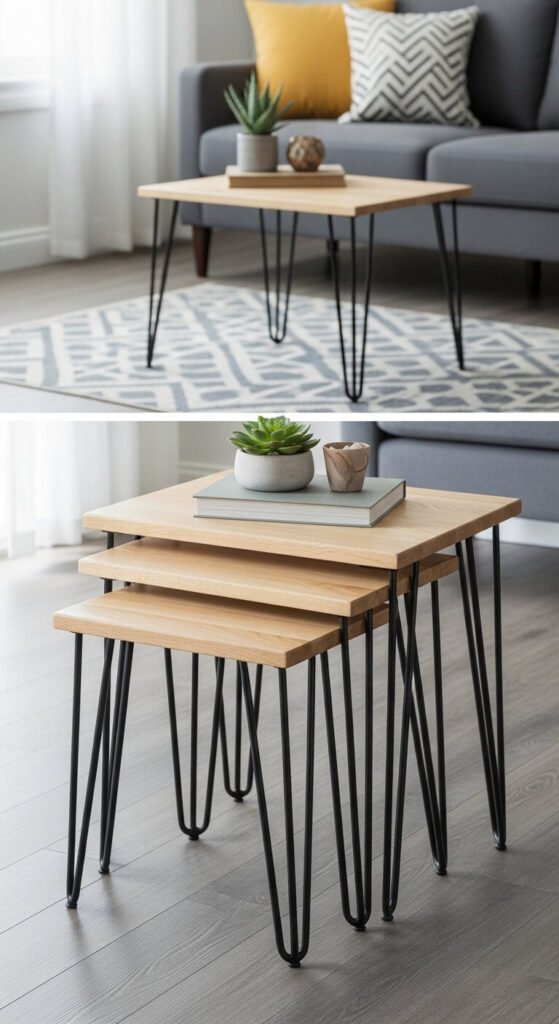
Nesting tables slide together when not in use but expand to provide multiple surfaces when you host guests. Keep the smallest table tucked away and pull out others only when necessary. Use them as plant stands, laptop desks, or drink holders. West Elm and CB2 offer stylish sets, but thrift stores often have vintage versions for $30-60. Choose materials that match your existing furniture. The flexibility means you’re never stuck with too much or too little table space.
Paint One Wall a Dark Color

Dark paint colors can actually make small rooms feel larger when used strategically. Paint the wall farthest from the entrance a deep, rich color to add depth and draw the eye through the space. Keep other walls light to maintain brightness. This creates visual interest without overwhelming the room. A gallon of quality paint costs $30-50. Choose colors like navy, charcoal, or forest green. The contrast tricks the brain into perceiving more distance and dimension.
Use Slim Profile Hangers

Chunky plastic hangers waste inches of closet rod space. Switch to slim velvet or wooden hangers that take up half the room. A set of 50 velvet hangers costs about $20 on Amazon. The non-slip surface keeps clothes from sliding off, and the uniform look makes closets feel more organized. You’ll fit 30-40% more items on the same rod. Color-code by garment type or season for extra organization. This simple swap maximizes vertical hanging space without any construction.
Mount Fold-Down Desks

A dedicated workspace doesn’t require a permanent desk footprint. Wall-mounted fold-down desks collapse when not in use, freeing up floor space for other activities. IKEA’s options start at $50. Install one in a bedroom, kitchen, or hallway. Add a small shelf above to store supplies. When work is done, simply fold it up and reclaim the space. This works perfectly for remote workers in studios or anyone who needs occasional desk space without committing an entire corner.
Choose Glass or Acrylic Furniture
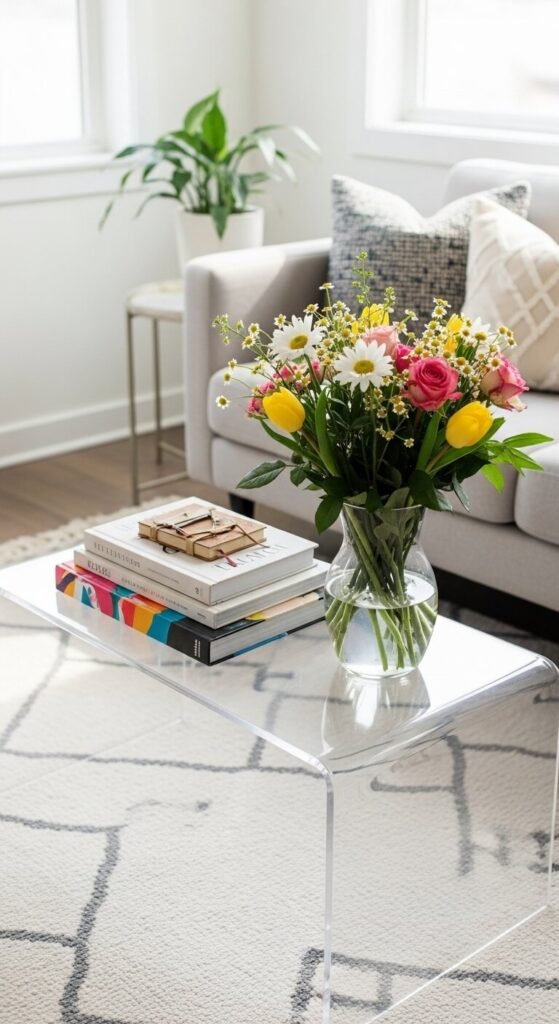
Transparent furniture takes up physical space but not visual space. Glass coffee tables, acrylic chairs, or lucite shelves seem to disappear while remaining functional. The see-through quality keeps rooms feeling open and uncluttered. IKEA and Target offer affordable acrylic options starting around $50. These pieces work especially well in small living rooms where you can see the floor beneath furniture. Just wipe down regularly—fingerprints show easily on clear surfaces.
Create Under-Bed Storage Zones

The space under your bed is wasted if you’re not using it. Invest in rolling storage containers, vacuum bags, or bed risers to create usable storage. Store off-season clothes, extra bedding, or shoes. Bed risers cost $10-15 and add 3-6 inches of clearance. Choose containers that slide easily and match your room’s style. Measure your bed frame first to ensure proper fit. This hidden storage keeps everyday items accessible while maintaining a clean, uncluttered look in the bedroom.
Hang Pots and Pans Overhead
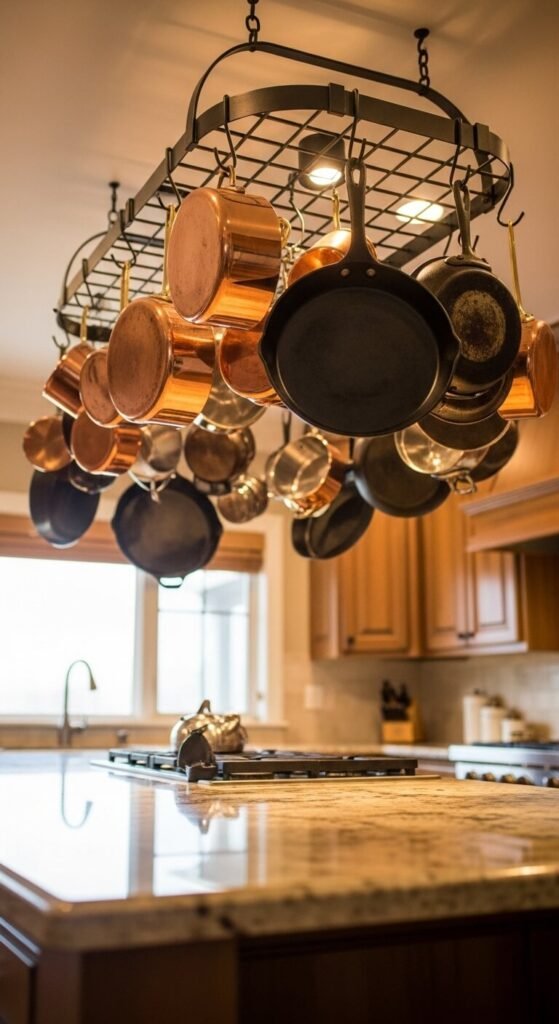
Kitchen cabinets fill up fast. Install a ceiling pot rack to store cookware overhead while adding a professional chef vibe. Basic racks start at $40 at home improvement stores. Make sure your ceiling can support the weight, or use a wall-mounted version instead. This frees up entire cabinets for other items and keeps your most-used pots within easy reach. Polish copper pots become decor. Just clean regularly—grease buildup happens when you cook frequently.
Add a Room Divider with Storage
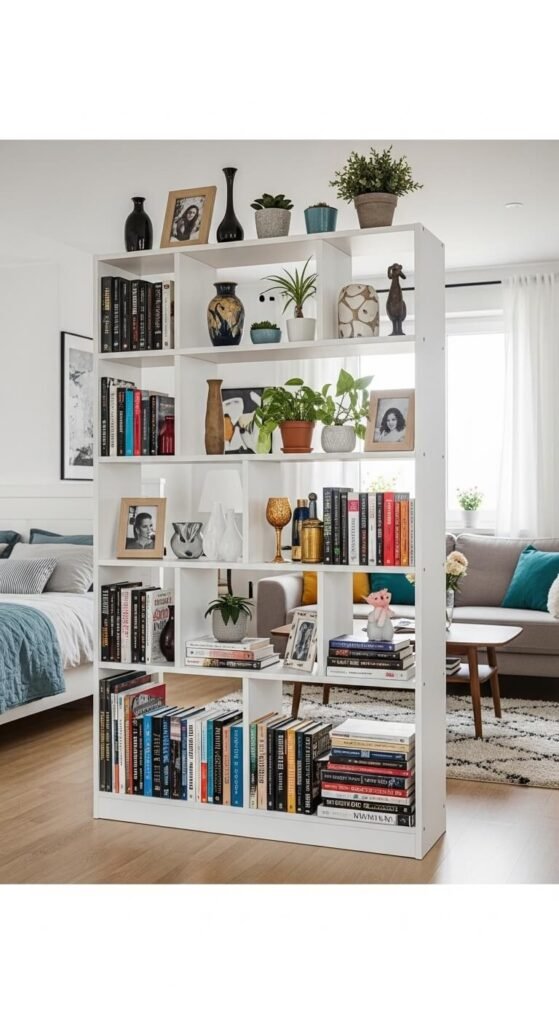
Open floor plans feel spacious but lack privacy. Use a bookshelf as a room divider to separate sleeping and living areas while adding double-sided storage. Place it perpendicular to a wall rather than against it. Fill shelves with books, plants, and baskets. This creates definition without blocking light like a solid wall would. IKEA’s Kallax series works perfectly and costs $60-150 depending on size. Leave some cubes open to maintain sight lines and airflow.
Use Tension Rods for Hidden Storage
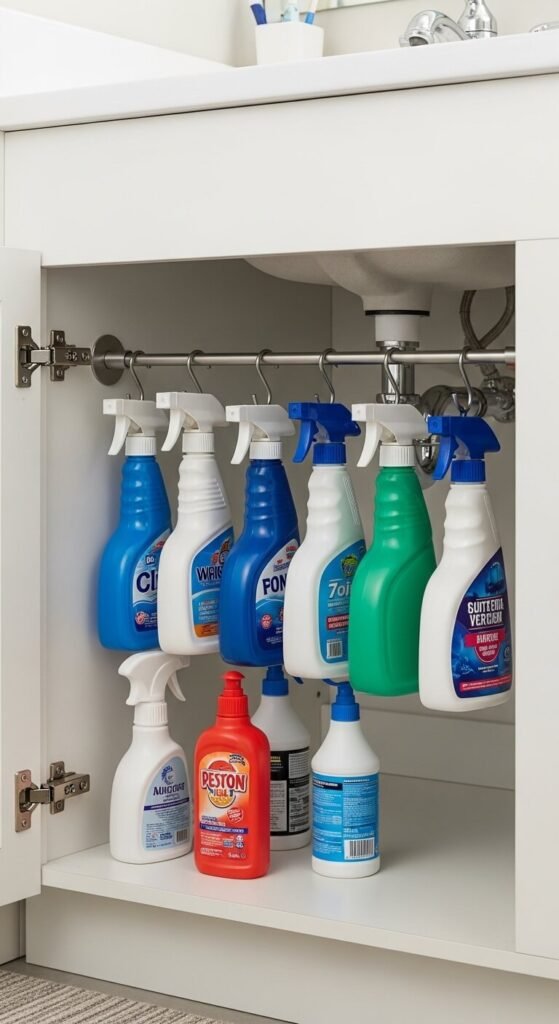
Tension rods aren’t just for curtains. Install them inside cabinets, under sinks, or in closets to create instant organization. Hang spray bottles under the kitchen sink, create shoe storage in closets, or organize scarves in wardrobes. They require zero installation and adjust to fit various widths. A basic rod costs $8-15. Stack multiple rods at different heights for layered storage. This trick works anywhere you have two parallel surfaces and wasted vertical space between them.
Choose Stackable Storage Containers
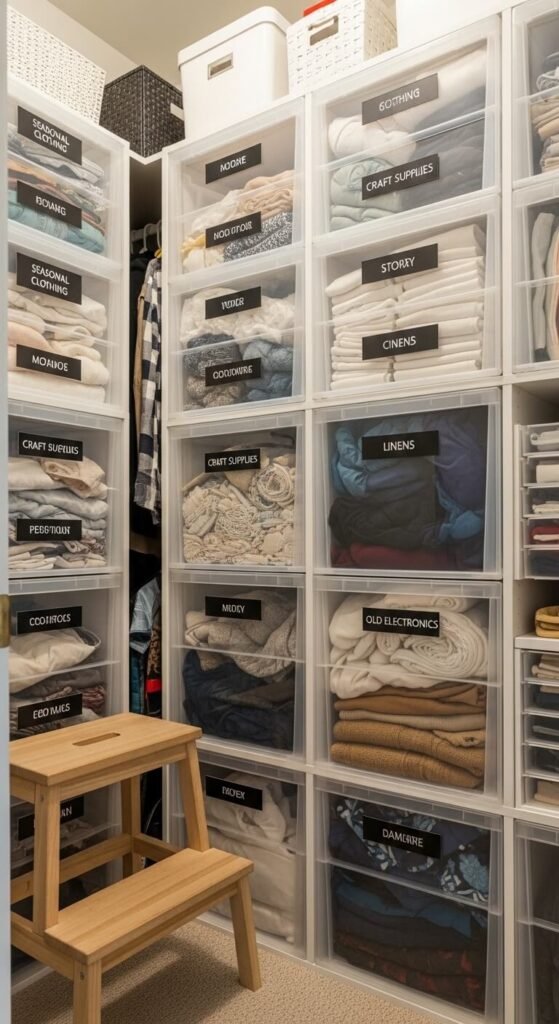
Stackable containers maximize vertical storage in closets, pantries, and under sinks. Choose clear versions so you can see contents without digging. Label each bin for quick access. The Container Store and Amazon offer sets starting at $20. Measure your space first to buy containers that fit perfectly without wasted gaps. Stack seasonal items higher and everyday essentials at eye level. This system keeps similar items together and makes it easy to find what you’re looking for.
Install Floating Nightstands

Traditional nightstands take up valuable floor space. Wall-mounted floating shelves serve the same purpose while keeping the floor clear for easier cleaning and a more spacious feel. Install them at mattress height for easy reach. Add a small drawer version for hidden storage if needed. IKEA sells simple shelves for $10-20. This works especially well in narrow bedrooms where every inch of floor space counts. Keep the surface minimal—just a lamp, phone charger, and current book.
Create a Gallery Wall to Add Depth
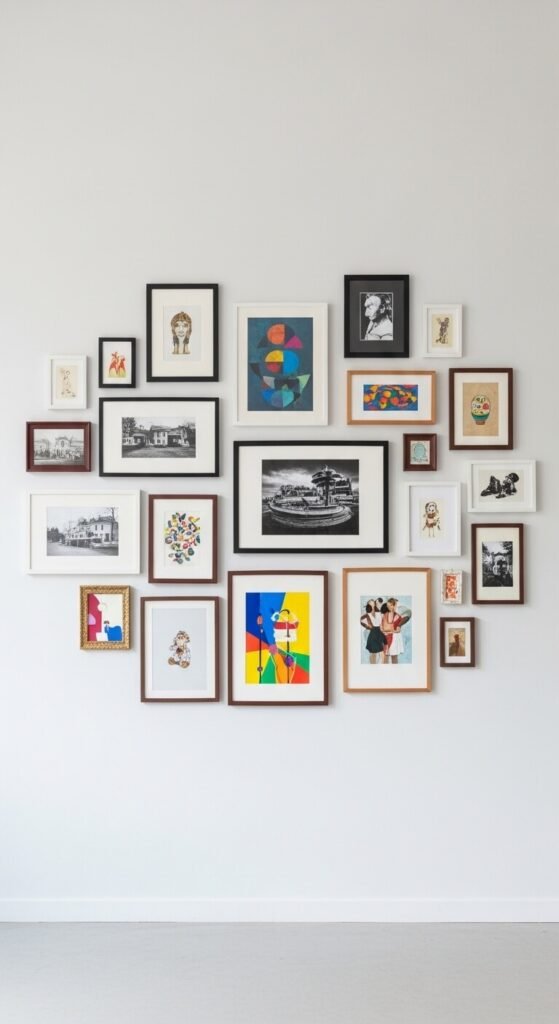
Empty walls feel cold, but cluttered surfaces make rooms cramped. Split the difference with a gallery wall that adds personality and visual depth without taking up square footage. Mix frame sizes and styles you already own or find at thrift stores. Arrange them on the floor first, then transfer to the wall. This draws the eye upward and makes ceilings feel higher. The curated collection becomes a focal point that distracts from the room’s small size.
Use Rolling Carts for Flexible Storage

Rolling carts move wherever you work. Use them as coffee stations, bar carts, plant stands, or office supply organizers. When you’re done, roll them into closets or tight corners. IKEA’s Raskog cart costs $30 and comes in multiple colors. The portability means you’re not locked into one layout. In small kitchens, use them for extra prep space. In bathrooms, hold toiletries and towels. The wheels make rearranging effortless as your space changes.
Opt for Wall-Mounted Lighting

Table lamps take up surface space. Swap them for wall-mounted sconces or swing-arm lights that attach directly to walls. This frees up nightstands, desks, and side tables for other uses. Plug-in versions require no hardwiring and cost $30-60. Position them at reading height beside beds or above desks. Choose adjustable arms so you can direct light exactly where you go. The cleaner surfaces make small rooms feel less cluttered while providing better task lighting.
Install Hooks Everywhere
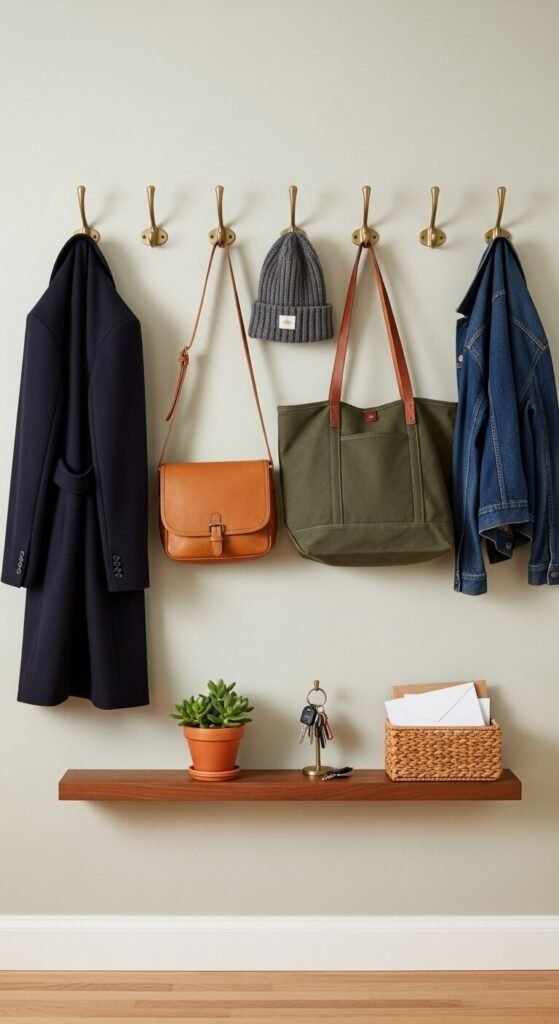
Hooks are the simplest, cheapest storage solution available. Install them in entryways for coats and bags, in bathrooms for towels and robes, in bedrooms for tomorrow’s outfit, and in kitchens for aprons and dish towels. Command hooks work for renters. Permanent hooks cost just a few dollars each. Space them 12-16 inches apart for functionality. Choose decorative hooks that complement your style—brass, black matte, or wooden pegs. Hooks keep items off floors and surfaces while remaining easily accessible.
Choose Furniture That Matches Wall Colors

When furniture blends with walls, it visually recedes and makes rooms feel larger. Choose sofas, chairs, and storage units in the same color family as your walls. The eye doesn’t stop at each piece, creating a more fluid, open feeling. This doesn’t mean everything should match exactly—just stay within the same tonal range. Add pops of color through pillows, art, and accessories. This trick works especially well with neutral palettes in very small spaces where contrasting furniture would feel overwhelming.
Utilize Door-Mounted Organizers
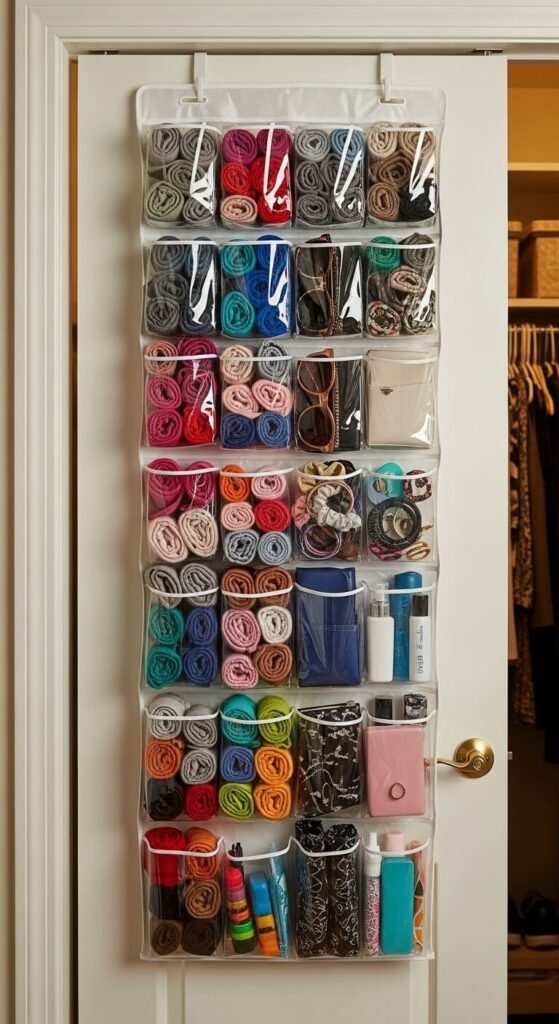
Over-door organizers aren’t just for shoes. Hang them on bedroom doors for accessories, pantry doors for snacks, bathroom doors for toiletries, or closet doors for craft supplies. The clear pocket versions let you see contents at a glance. They cost $10-25 and require zero installation. This captures wasted door space and keeps small items organized. The pockets work for anything that fits—makeup, tools, charging cables, or kids’ toys. Just make sure the door can still close fully with the organizer in place.
Conclusion
Small spaces demand creativity, not compromise. These 28 tricks prove that limited square footage doesn’t limit your style, comfort, or functionality. Start with the solutions that address your biggest pain points—maybe that cluttered entryway or cramped kitchen. Pick up a few hooks this weekend, rearrange your curtain rods, or finally tackle that wasted space above your doors. Small changes add up fast. Your tiny home can feel open, organized, and completely yours without a massive budget or renovation. The best part? Most of these tricks work for renters and homeowners alike.