Your bedroom should feel like a warm hug at the end of every day. Creating that perfect sanctuary doesn’t require a designer budget or weeks of renovation. Small, thoughtful changes can transform your space into a calming retreat that reflects your personality and supports restful sleep. From strategic lighting choices to clever storage solutions, these design secrets will help you build a bedroom that truly feels like home. Whether you’re working with a tiny apartment corner or a spacious master suite, these practical ideas will guide you toward better sleep, improved mood, and a space you actually want to spend time in.
Layer Your Lighting Like a Pro
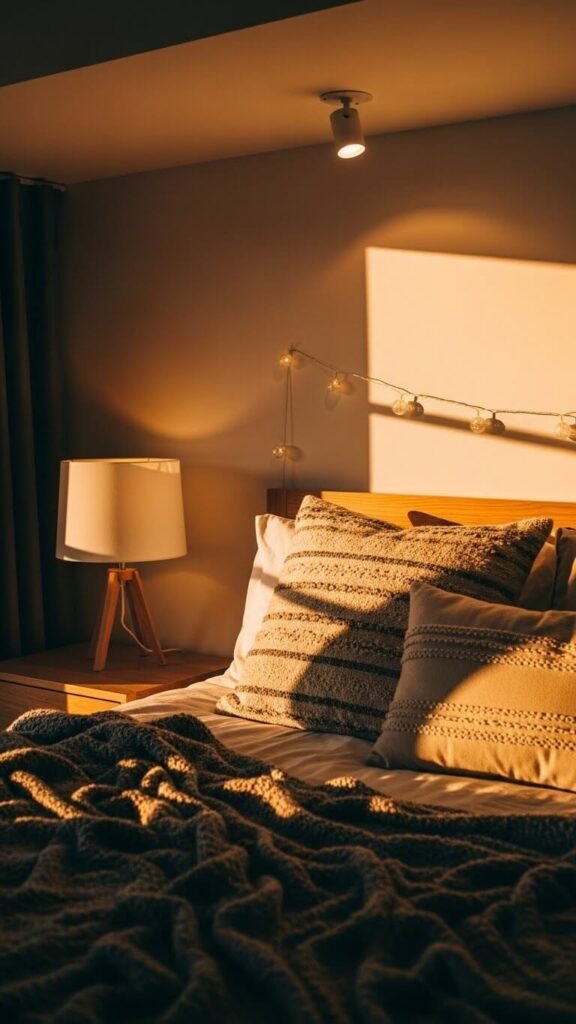
Overhead lights alone make rooms feel flat and uninviting. Add three types: ambient (ceiling fixture), task (reading lamp), and accent (fairy lights or candles). Install dimmer switches on existing fixtures for under $20. Place a bedside lamp at eye level when sitting up in bed. String lights cost $10-15 and instantly add warmth. Use warm bulbs (2700K) instead of cool white. Layered lighting lets you control mood throughout the day. Morning brightness energizes you, while evening dimness signals your brain it’s time to wind down.
Build a Headboard from Reclaimed Wood
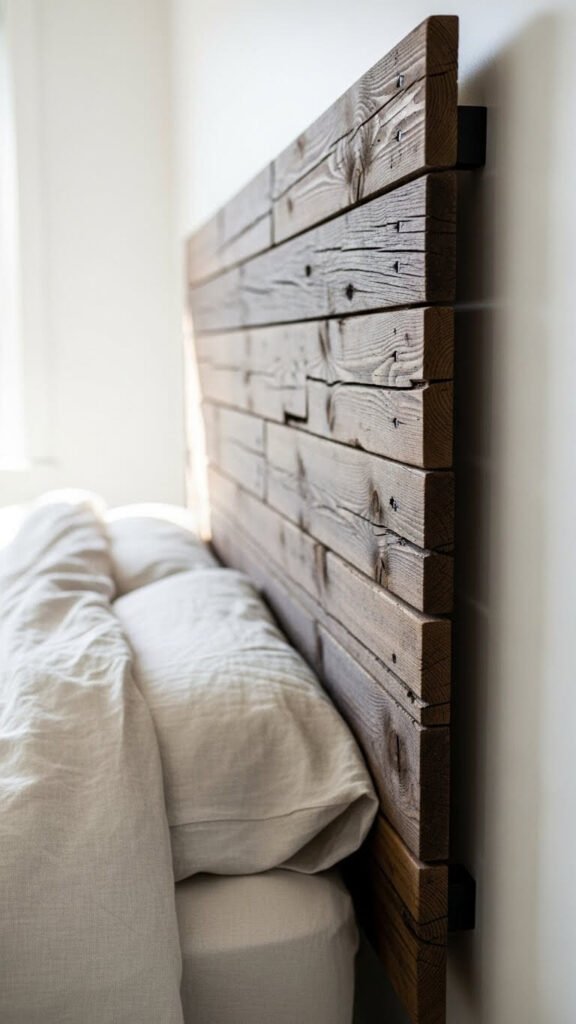
Visit salvage yards or check Facebook Marketplace for old fence boards or pallets. Sand them lightly and arrange in a pattern you love. Mount directly to the wall or attach to a plywood backing. Total cost: $30-50 for materials. Seal with clear wax or leave raw for authentic texture. Variations in wood tone add character without looking messy. This project takes one weekend and requires basic tools. A headboard anchors your room and makes the bed feel like a real focal point, not just furniture pushed against a wall.
Choose One Statement Wall Color
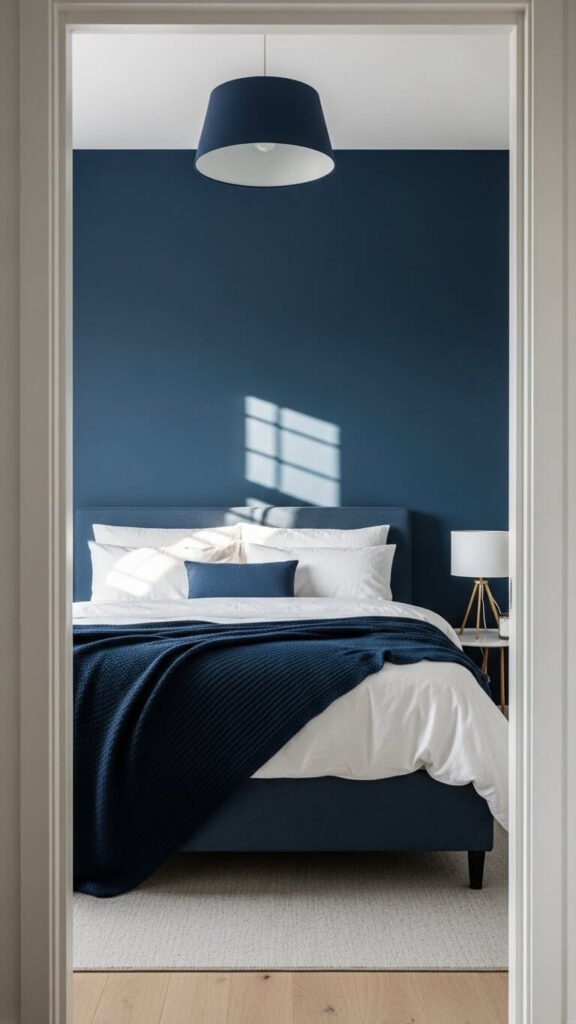
Painting all four walls dark can shrink a space. Pick the wall behind your bed and go bold with deep blue, forest green, or terracotta. Keep other walls neutral. One gallon of quality paint costs $30-40 and covers most accent walls. Use painter’s tape for clean edges—even beginners can handle this. The contrast draws eyes to your bed and creates depth. Test samples in different lighting before committing. Bold color in small doses feels intentional, not overwhelming. This trick works especially well in rental spaces where you can’t make major changes.
Invest in Quality Sheets Over Fancy Duvets

You touch sheets every single night, so spend money here. Look for 100% cotton sateen or percale, not polyester blends. Quality sheets last 5+ years while cheap ones pill within months. Sales at department stores offer good brands for $60-80. Wash new sheets twice before use to soften them up. Skip the expensive duvet—a simple comforter in a washable cover works just as well. Good sheets regulate temperature better and feel amazing against skin. This investment directly impacts sleep quality, which affects everything else in your life.
Create Zones with an Area Rug
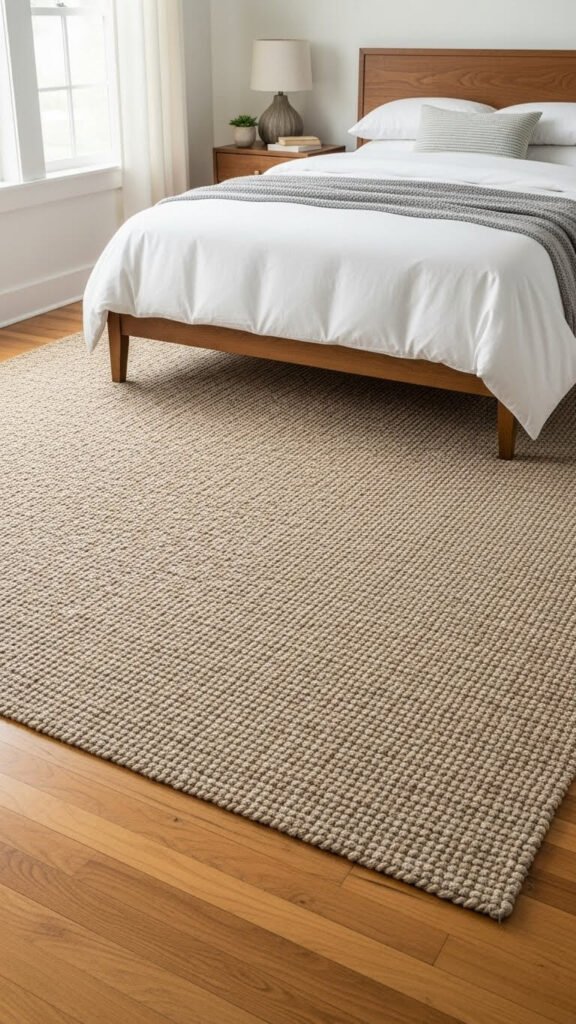
Rugs define the sleeping area and add softness underfoot. Choose one large enough to extend at least two feet beyond the bed on three sides. Budget options like jute rugs start at $80 for 8×10 sizes. This works especially well in studio apartments or open-plan spaces. The rug absorbs sound and makes the room feel cozier. Vacuum weekly to maintain freshness. Even in carpeted rooms, layering a different texture adds visual interest. Stand on the rug when you get up—that soft landing point makes mornings slightly less jarring.
Install Floating Shelves for Display and Storage
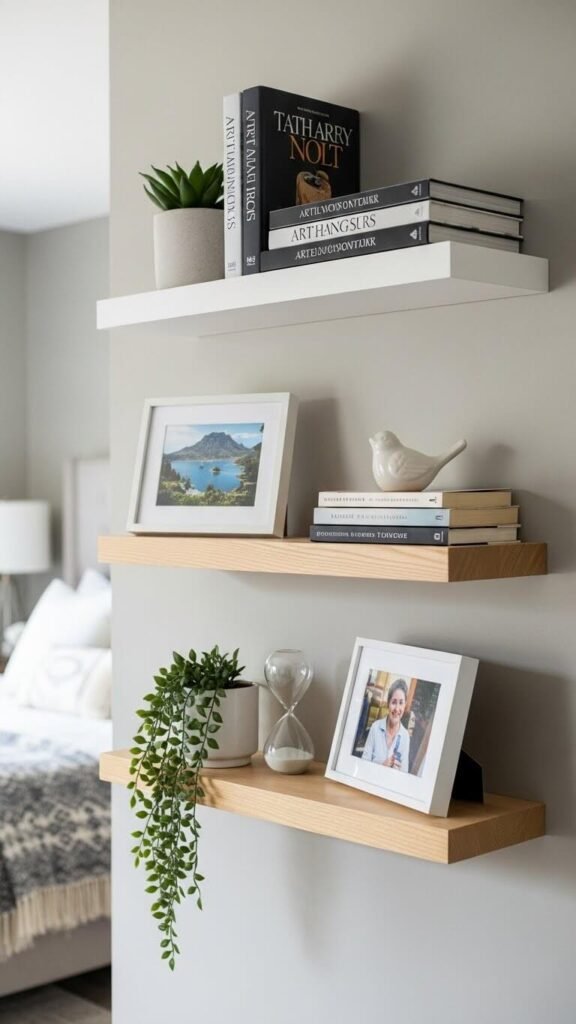
Wall-mounted shelves cost $15-30 each and install in under an hour. Place them beside the bed or above a dresser. Display favorite books, plants, or meaningful objects instead of hiding everything away. Limit items to avoid clutter—three to five pieces per shelf looks intentional. Mix heights and textures for visual interest. This frees up floor space while adding personality. Use them for things you actually grab regularly, like current reads or hand lotion. Shelves work in rentals too; fill mounting holes when you move out.
Hang Curtains High and Wide
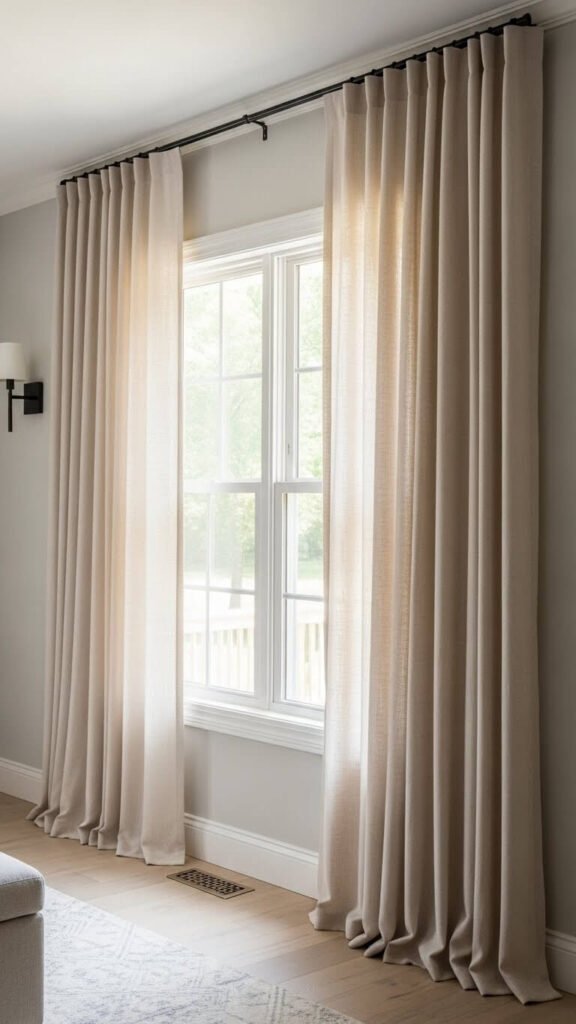
Mount curtain rods 6-8 inches above the window frame and extend them 6 inches beyond each side. This makes ceilings look higher and windows larger. Blackout-lined curtains improve sleep by blocking morning light. Budget options start at $25 per panel. Let curtains just kiss the floor or puddle slightly for a luxurious feel. This simple trick changes room proportions dramatically. White or neutral curtains reflect light, while darker colors absorb it. Choose based on your natural light situation and temperature control preferences.
Add Texture Through Throw Pillows and Blankets

Mix materials like linen, velvet, and chunky knit for depth without busy patterns. Start with two or three pillows and one throw blanket. Thrift stores sell quality pillows for $5-10. Layer different sizes—standard, lumbar, and Euro shams create dimension. Stick to a simple color palette so textures stand out. Switch them seasonally for fresh looks without buying new furniture. Touch matters just as much as appearance in bedrooms. Having options for different comfort preferences makes the bed more inviting for reading, relaxing, or watching movies.
Position Your Bed for Better Sleep
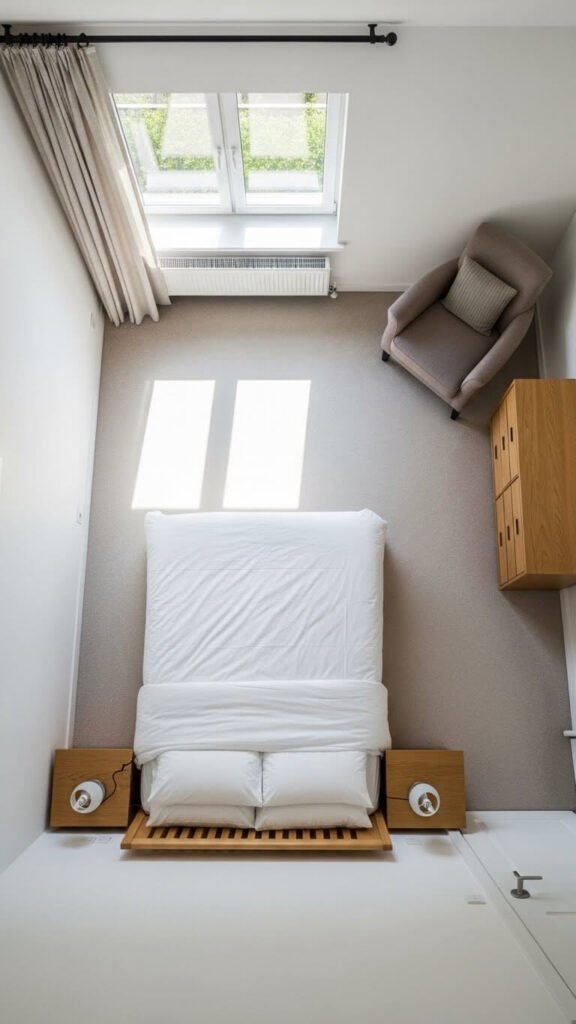
Place your bed where you can see the door but aren’t directly in line with it. Avoid positioning the headboard under windows—light and drafts disrupt sleep. Center the bed on the longest wall when possible. Leave at least two feet of walking space on each side. This feng shui principle actually makes practical sense for circulation and comfort. Experiment with angles if space allows—sometimes diagonal placement opens up floor area. The right position makes the room feel balanced and helps you sleep more soundly.
Bring in Living Plants for Fresh Air
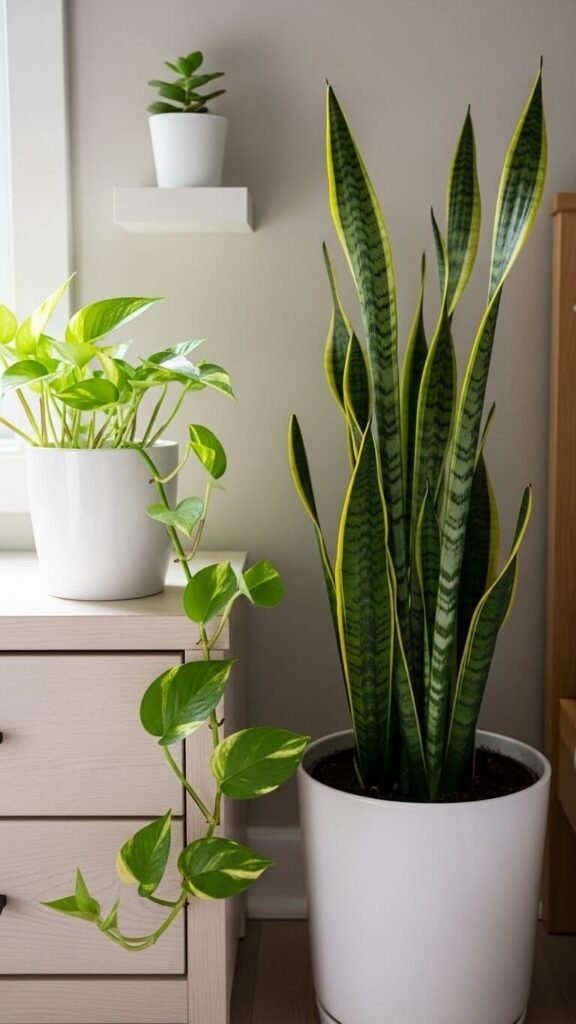
Snake plants and pothos thrive in low light and clean air naturally. Start with one or two from a local nursery for $10-20 each. Place them where you’ll remember to water weekly. Plants add life and color without permanent commitment. They soften hard edges of furniture and make rooms feel fresh. Even fake plants work if you travel often—quality silk versions look real from a few feet away. Greenery connects indoor spaces to nature, which calms the nervous system. This small addition makes waking up feel more peaceful.
Use Mirrors to Multiply Light
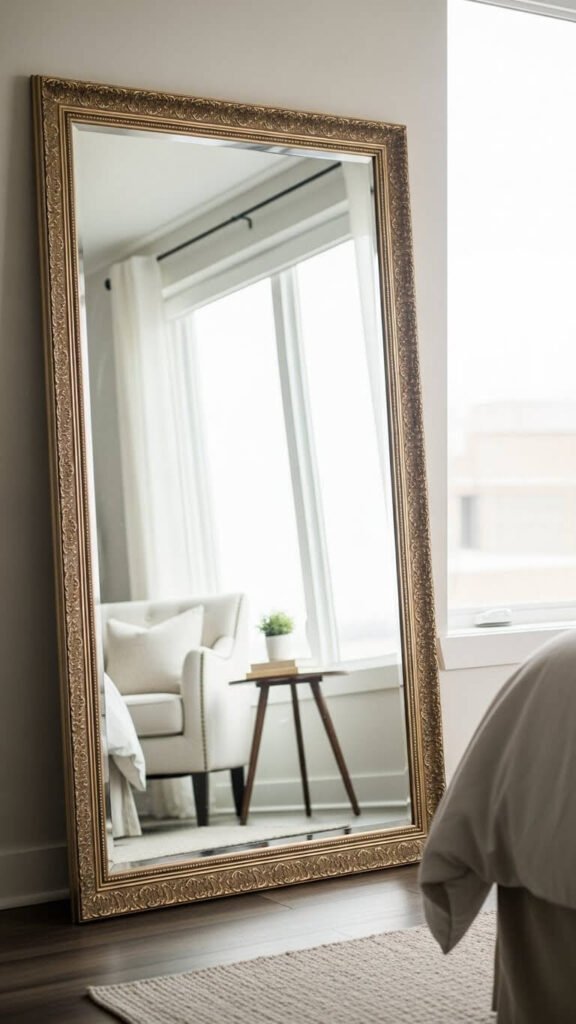
Position a large mirror across from your window to bounce light around the room. Leaning mirrors (36×60 inches) cost $50-100 and don’t require hanging. This trick makes small bedrooms feel twice as large. Avoid placing mirrors directly facing the bed if they bother you at night. Thrift stores often have vintage frames you can refinish. The reflection creates visual depth and brightens dark corners. Clean mirrors weekly to maintain their light-reflecting power. Even small decorative mirrors grouped on a wall can amplify brightness.
Organize with Decorative Baskets
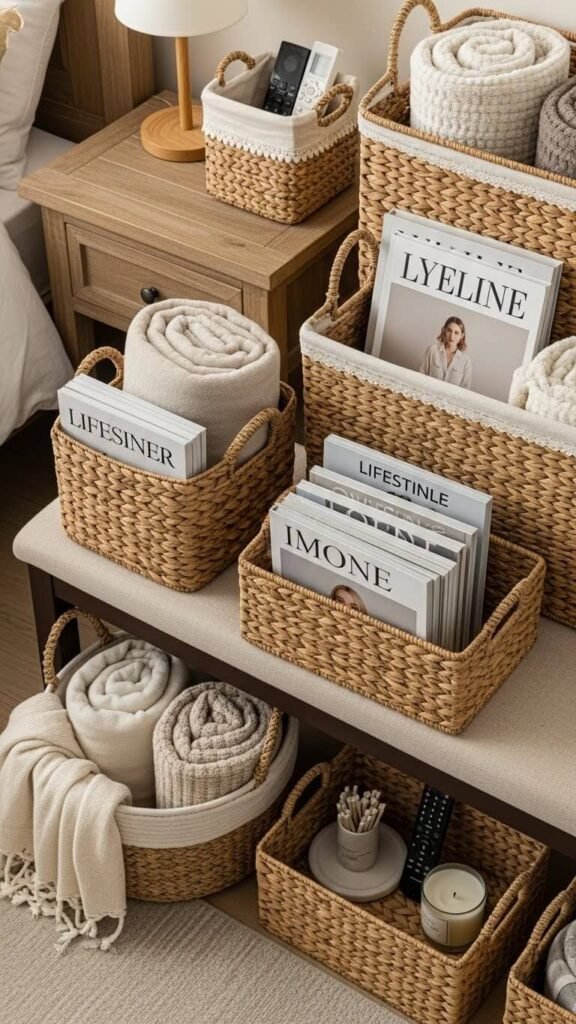
Baskets hide clutter while adding warm texture. Use them for extra blankets, magazines, or laundry. Woven options cost $15-30 and work with any decor style. Group three different sizes for visual interest. Label them if you share space with others. Unlike plastic bins, baskets breathe and look good left out in the open. This keeps floors clear without making you feel like everything’s hidden in drawers. Easy access encourages you to actually put things away instead of leaving them scattered.
Paint Your Ceiling a Soft Color
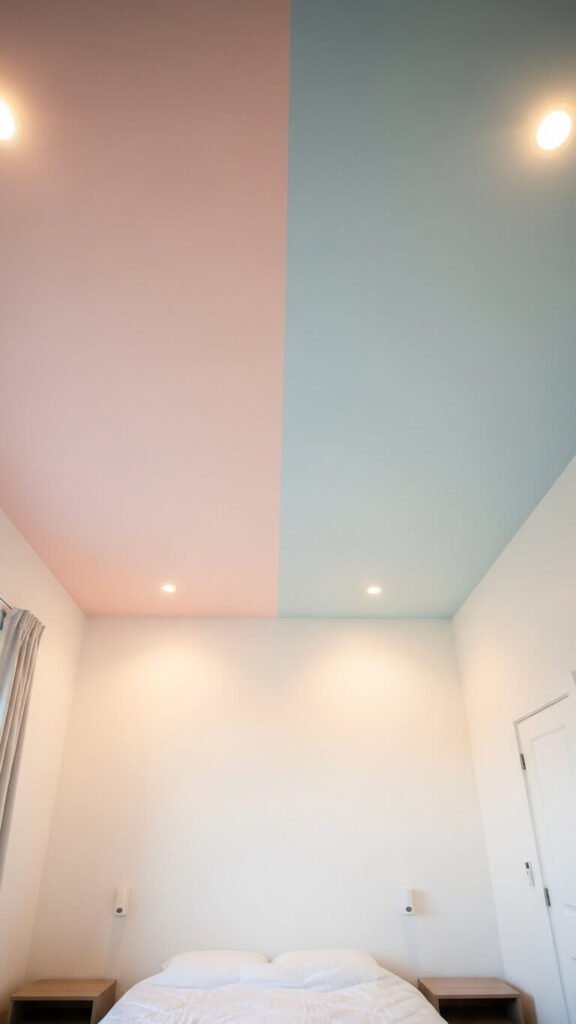
Most people default to white, but try pale pink, sky blue, or warm gray. Ceiling paint costs the same as wall paint—one gallon covers most bedrooms. This adds unexpected sophistication without overwhelming the space. Lighter shades still reflect light but with more personality. The color subtly influences room mood, especially when lying in bed looking up. This works particularly well in rooms with high ceilings where you want to create coziness. Test samples on poster board and tape them up for a few days before deciding.
Frame Personal Photos in Matching Frames
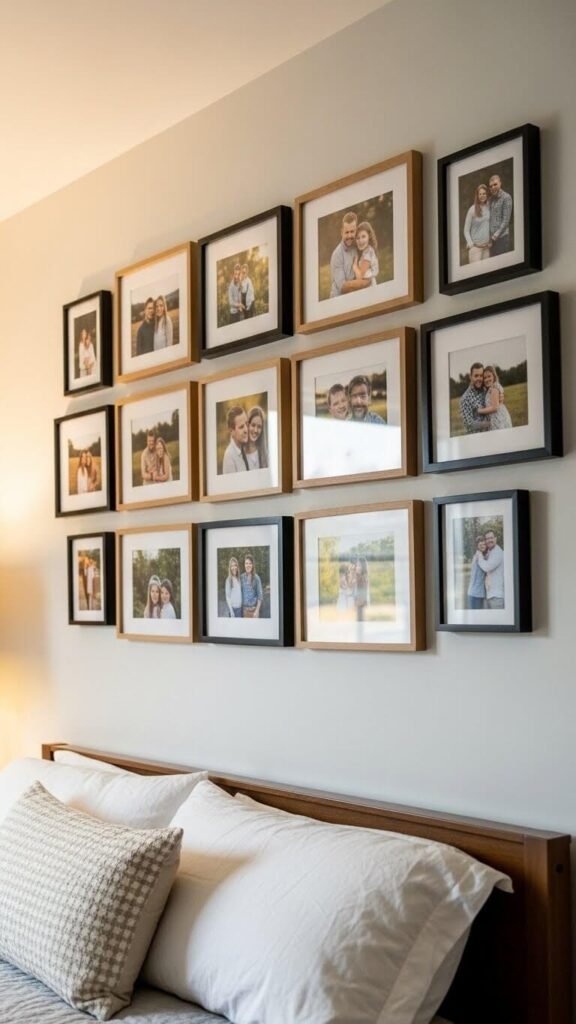
Collect 5-10 frames in the same color and style—black, white, or natural wood. Print meaningful photos at a local shop for $0.50-1 each. Arrange them in a grid or organic cluster on one wall. Matching frames create cohesion even with different photo subjects. This personalizes your space without feeling cluttered. Swap photos seasonally to keep the display fresh. The repetition of frames feels intentional and designer-like. Your bedroom should tell your story, and photos do that better than generic art.
Add a Reading Nook in an Unused Corner
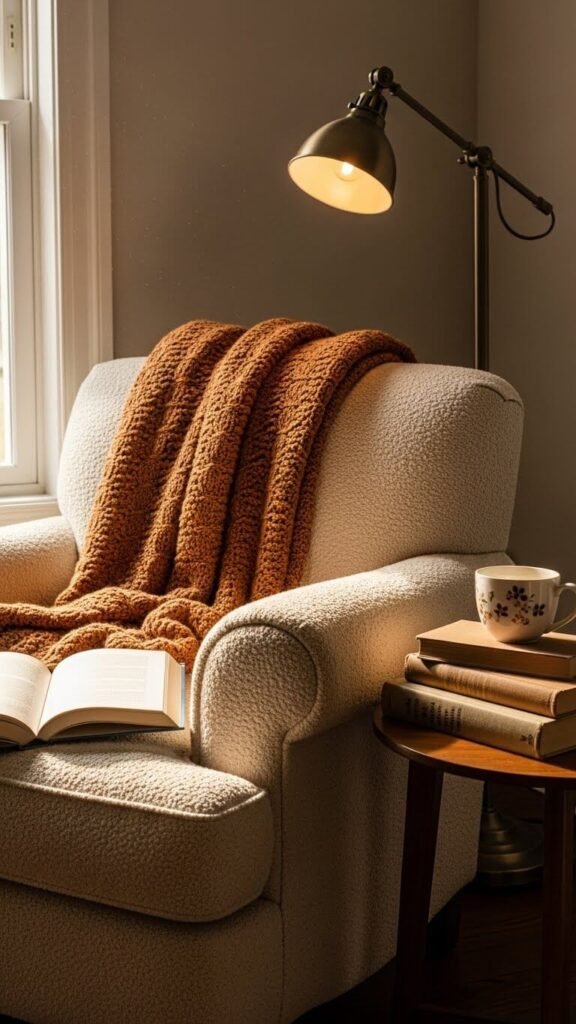
Place a comfortable chair, small table, and good lamp in any empty corner. Secondhand chairs cost $30-75 on Facebook Marketplace. Add a throw blanket and small bookshelf. This creates a separate function within your bedroom beyond sleeping. Reading before bed helps you relax better than scrolling phones. The nook becomes your retreat-within-a-retreat. Even tiny spaces can fit a simple stool and wall-mounted light. Having a designated reading spot encourages the habit and makes your bedroom more livable during waking hours.
Install a Ceiling Fan for Year-Round Comfort
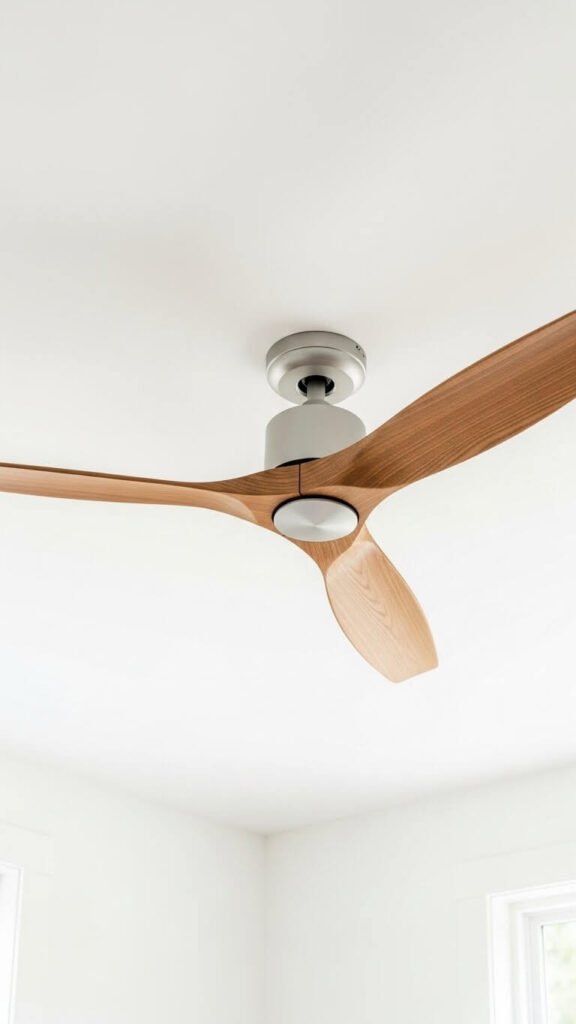
Fans cost $100-200 and improve sleep by circulating air. They work in summer and winter—reverse the direction seasonally. Installation takes 2-3 hours if you’re handy, or hire an electrician for $150. Choose a style that matches your decor, not just function. The gentle white noise helps some people sleep better. Fans reduce heating and cooling costs year-round. Modern options come with remote controls and integrated lighting. This upgrade provides comfort without ongoing energy costs like space heaters or AC units.
Style Your Nightstand with Purpose
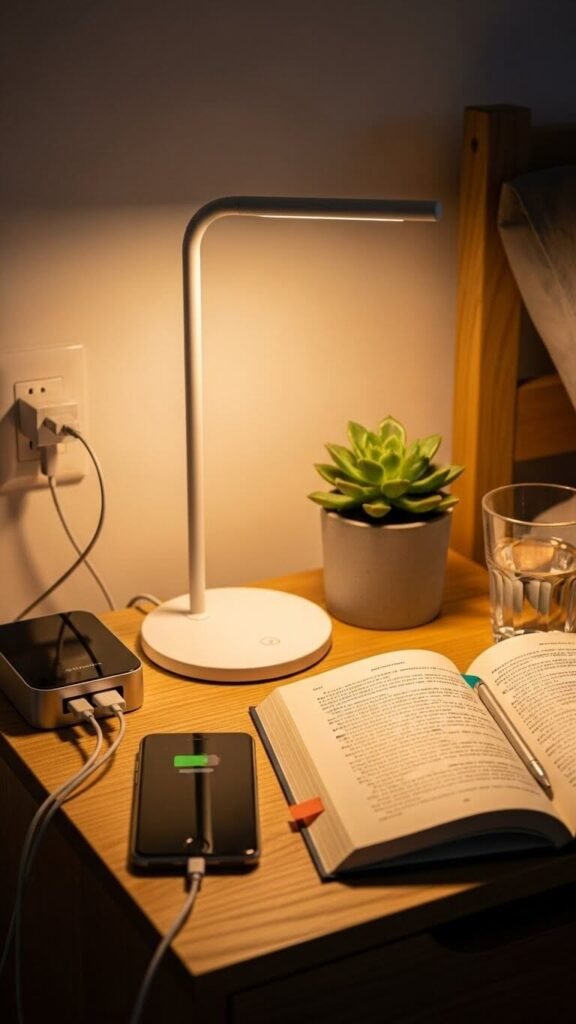
Keep only what you use nightly: lamp, alarm, current book, water, and charger. Everything else creates visual stress. Use a small tray to corral tiny items like lip balm or hand cream. This keeps surfaces clean and intentional. Wipe down weekly so dust doesn’t accumulate. A clear nightstand helps your mind relax when you lie down. The items here should support your bedtime routine, not distract from it. If your nightstand feels chaotic, so will your sleep environment.
Choose Multi-Functional Furniture
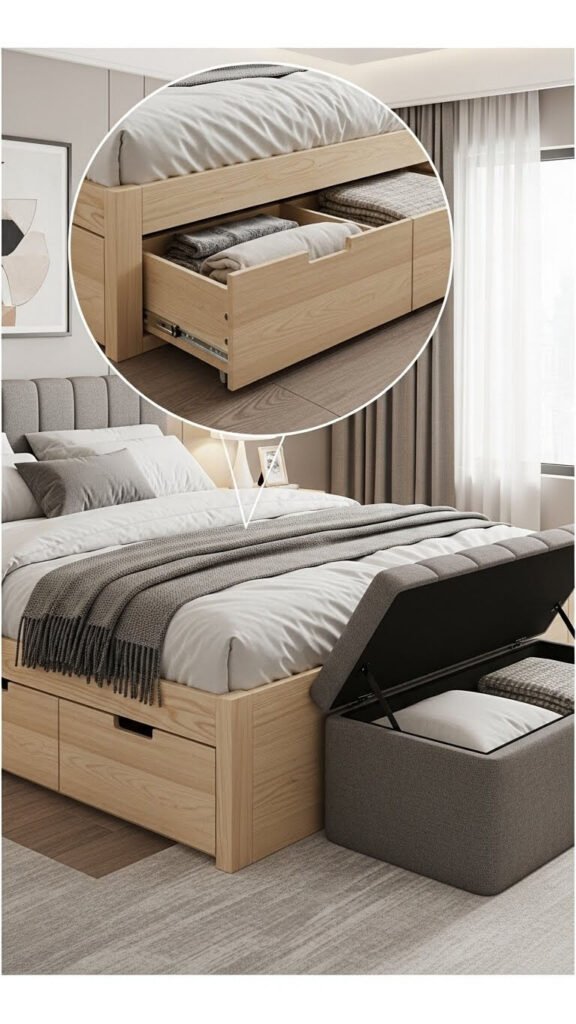
Storage beds, ottoman benches, and fold-down desks maximize small spaces. A storage bed costs $300-500 but eliminates the dresser. Benches at the bed’s foot provide seating and hide extra linens. These pieces work harder for you in tight quarters. When furniture serves two purposes, you buy less overall. Look for secondhand multi-functional pieces at estate sales. This approach keeps bedrooms from feeling overcrowded. Every item should earn its place by being both useful and attractive.
Create Symmetry for Visual Calm
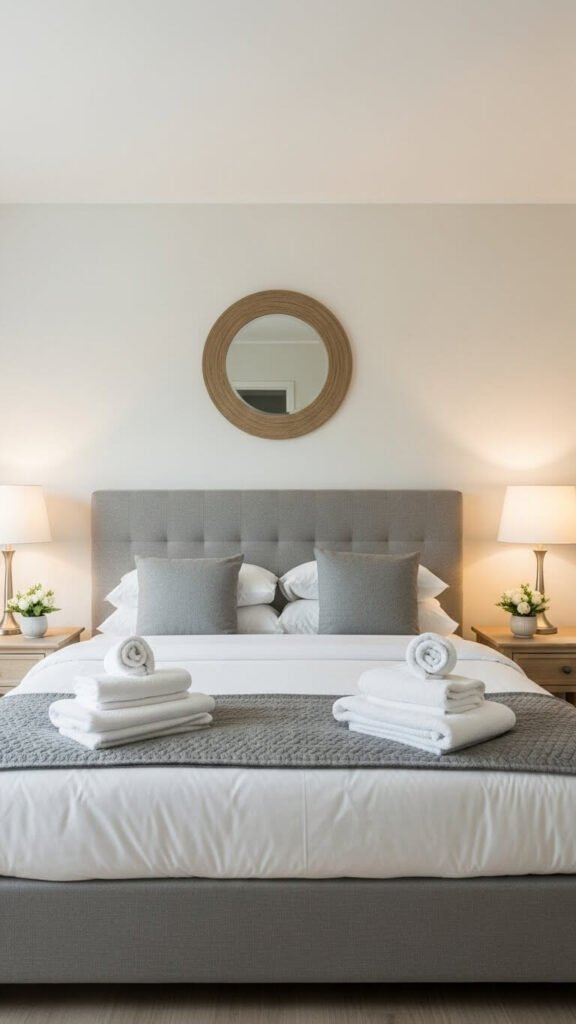
Match nightstands and lamps on both sides of the bed for balanced energy. Center your headboard on the wall. Hang artwork or mirrors in the middle, not off to one side. Symmetry creates subconscious calm—your brain doesn’t have to work as hard to process the space. This doesn’t mean everything must match perfectly, just that main elements should balance. Even budget furniture looks more expensive when arranged symmetrically. The visual harmony supports relaxation better than asymmetrical, chaotic layouts.
Switch to Warm-Toned Bulbs
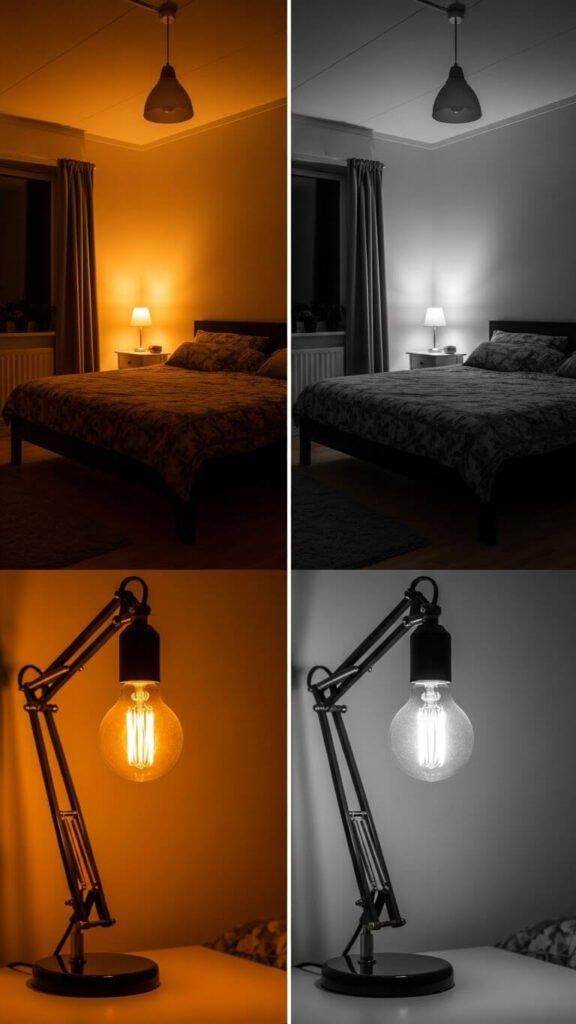
Replace all bedroom bulbs with 2700K “soft white” or “warm white” versions. Cool white (5000K+) suppresses melatonin and disrupts sleep cycles. Warm bulbs cost the same—$2-5 each. This simple swap makes rooms feel cozier instantly. Your circadian rhythm responds to color temperature, so evenings should feel golden, not blue-white. Use smart bulbs if you want to adjust throughout the day. The right light color affects mood as much as the right amount of light.
Declutter Surfaces Before Decorating
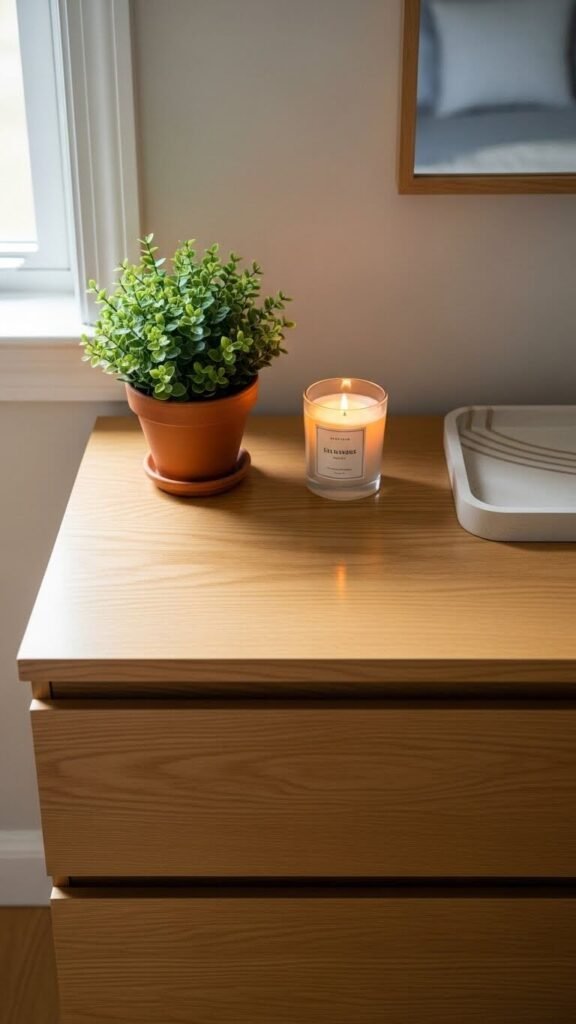
Clear everything off dressers and nightstands first. Then add back only your favorite three to five items. Empty surfaces make rooms feel larger and minds feel calmer. Donate or store items you don’t actively use or love. This isn’t about being minimalist—it’s about being intentional. Visual clutter creates mental clutter, especially in sleep spaces. Maintain clear surfaces by resetting them each morning. Once you experience the calm of clean surfaces, you won’t want to go back to crowded ones.
Add Warmth with a Cozy Rug Beside the Bed

Place a small, soft rug where your feet land each morning. Sheepskin or high-pile options cost $30-60 and make mornings gentler. This works especially well on cold hardwood or tile floors. The tactile comfort starts your day on a positive note. Choose machine-washable rugs for easy care. This small touch adds luxury without major expense. The sensory experience of soft texture underfoot shouldn’t be underestimated—small comforts accumulate into better moods.
Use Scent to Set the Mood
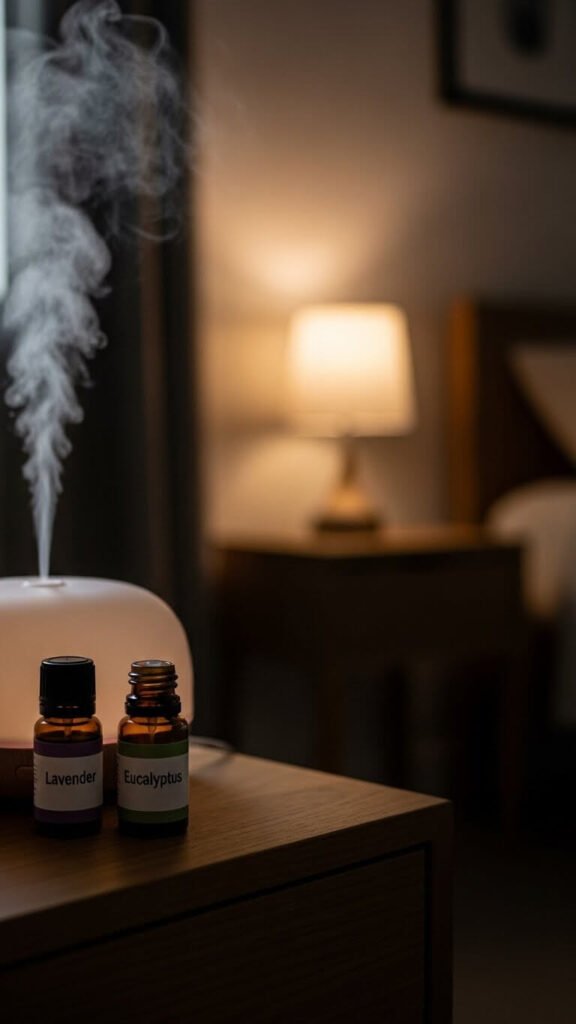
Diffuse lavender or eucalyptus oils before bed to signal relaxation. Diffusers cost $15-25 and oils last months. Avoid synthetic air fresheners with harsh chemicals. Natural scents influence mood and sleep quality. Keep the diffuser on your nightstand for easy access. Try different oils to find what works for you—chamomile, cedarwood, or vanilla all promote calm. Scent creates powerful associations, so consistent evening use trains your brain that bedtime’s approaching. This sensory layer completes your sanctuary.
Hang Artwork at Eye Level
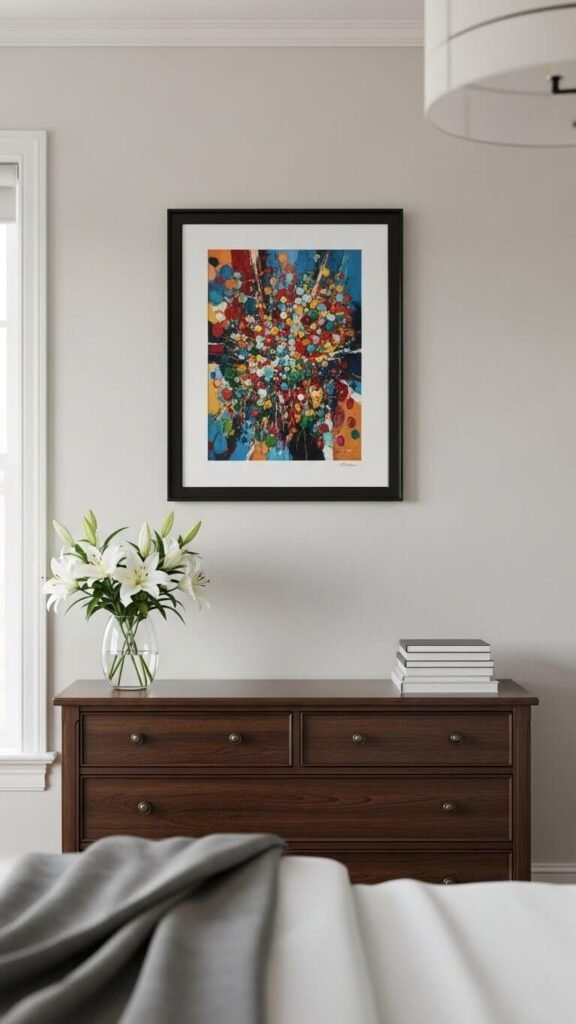
Center artwork 57-60 inches from the floor—gallery standard that works in most homes. This draws the eye naturally without straining. Large pieces above the bed should be two-thirds the bed’s width. Use painter’s tape to test placement before putting holes in walls. Properly hung art looks intentional and professional. Even inexpensive prints appear valuable when positioned correctly. This detail makes your space feel curated rather than randomly decorated. Take the extra five minutes to measure—it makes a noticeable difference.
Incorporate Natural Materials
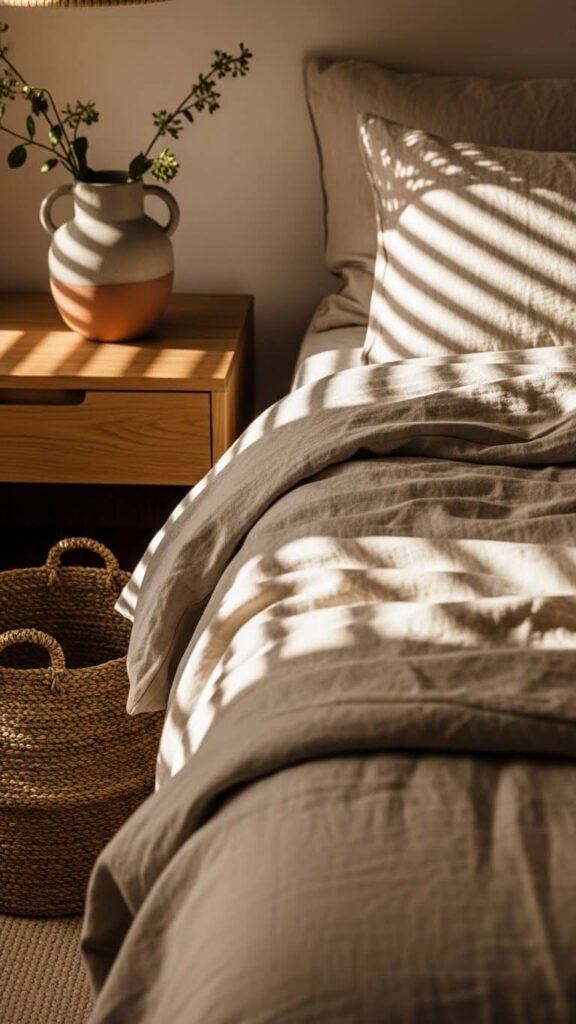
Choose wood, cotton, linen, and ceramic over plastic and synthetic materials. Natural elements create warmth that fake materials can’t replicate. Thrift stores sell solid wood furniture for less than new particle board pieces. Linen sheets start at $60 and last for years. These materials age beautifully instead of looking worn out. The connection to nature—even indoors—calms our nervous systems. Mix light and dark woods for depth. Natural doesn’t mean expensive; it means authentic and sustainable.
Conclusion
Your bedroom sanctuary starts with small, intentional choices that reflect who you are and how you want to feel. These secrets work because they focus on what actually matters: comfort, personal style, and creating an environment that supports rest. You don’t need to implement everything at once—pick two or three ideas that resonate most and start there. The transformation happens gradually, layer by layer, as you add elements that genuinely serve you. Your perfect sanctuary already exists in these simple changes. Take one step today, whether that’s switching a light bulb, rearranging furniture, or finally hanging those curtains properly. Better sleep and peaceful mornings are closer than you think.