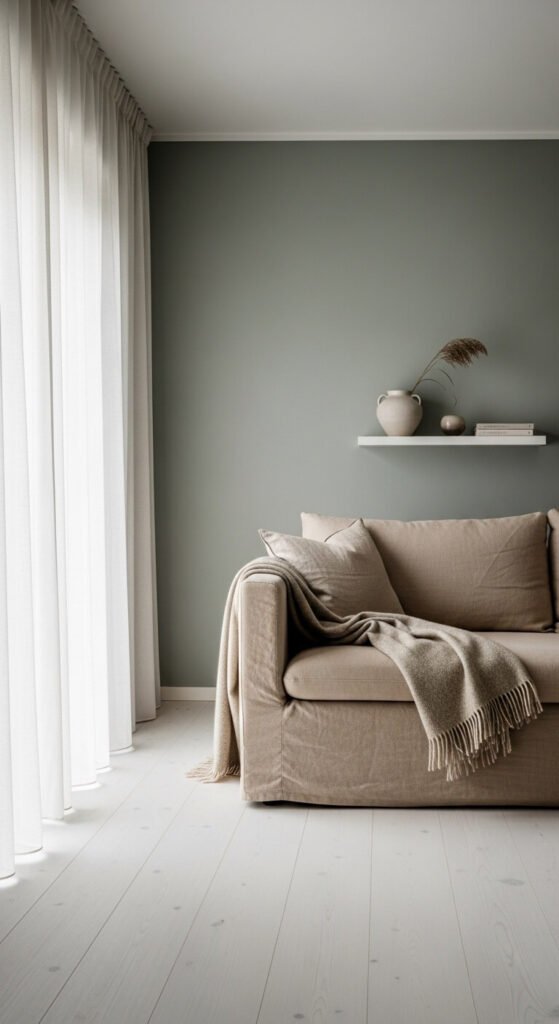
There is something quietly magnetic about a Scandinavian home. It does not shout for attention. It simply feels right — calm, warm, and considered. Rooted in the Nordic philosophy of lagom (just the right amount), Scandinavian design strips away the unnecessary and keeps only what genuinely serves you. Whether you live in a tiny apartment or a sprawling house, these design principles travel well. They work on any budget, in any space. This list walks you through 22 timeless elements that can bring real serenity into your home — one simple, intentional choice at a time.
1. A Neutral, Nature-Inspired Color Palette
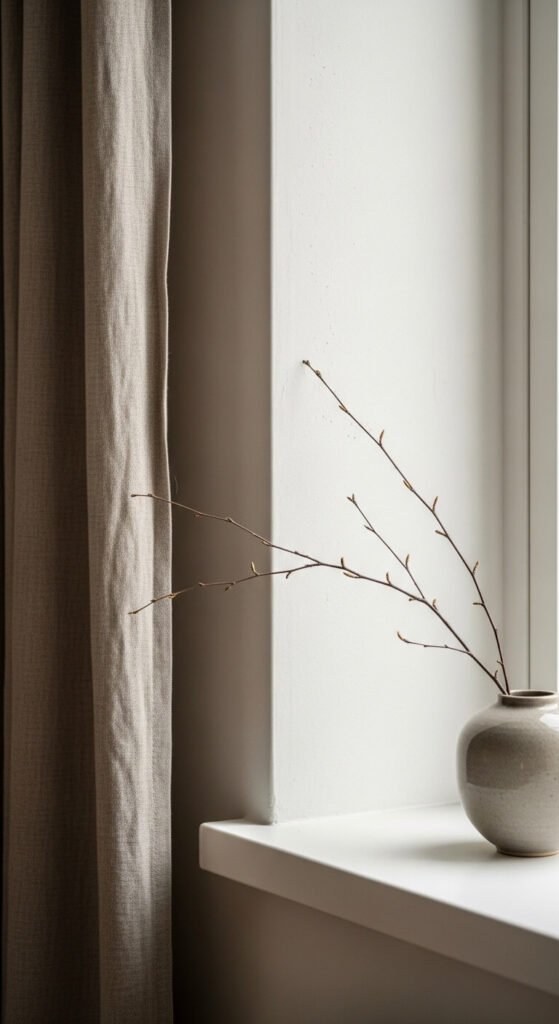
Start with your walls. Whites, warm creams, soft grays, and muted sage greens are the backbone of Scandinavian color. These shades reflect natural light and make any room feel open. You do not need expensive paint brands. A single gallon of warm white from a hardware store does the job beautifully. Sample a few shades before committing. Hold paint chips against your existing furniture in different lighting. The goal is a tone that feels like a long exhale — not sterile, not stark. Calm.
2. Functional Furniture With Clean Lines
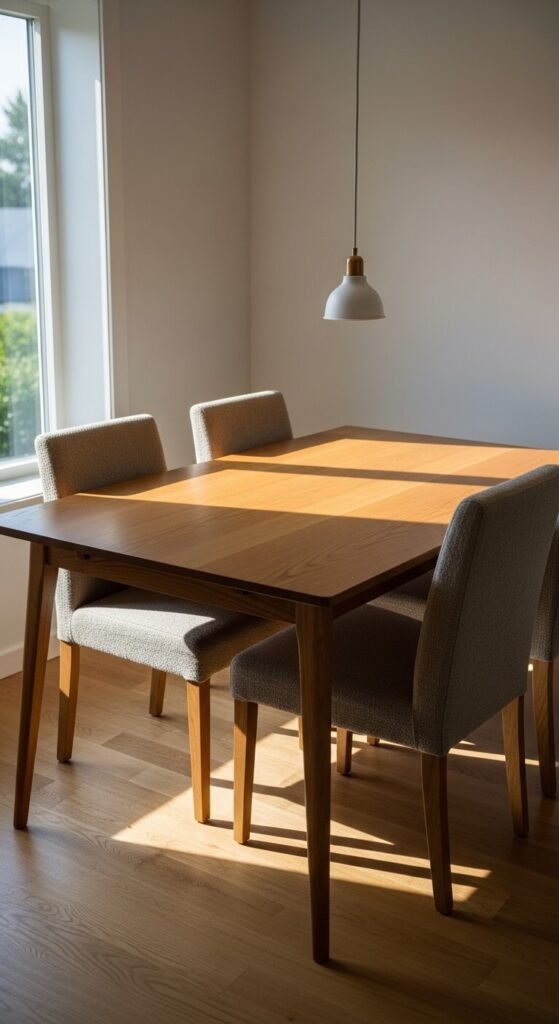
Scandinavian furniture does one thing well: it works. Every piece has a purpose. Look for sofas, tables, and chairs with tapered legs, smooth surfaces, and no ornate detailing. You do not need designer labels. Thrift stores and secondhand marketplaces are goldmines for this aesthetic. Sand down an old wooden coffee table, add tapered hairpin legs from a hardware store, and you have a functional, beautiful piece for under $40. The lines stay simple. The function stays honest.
3. Warm Wood Tones Throughout the Space
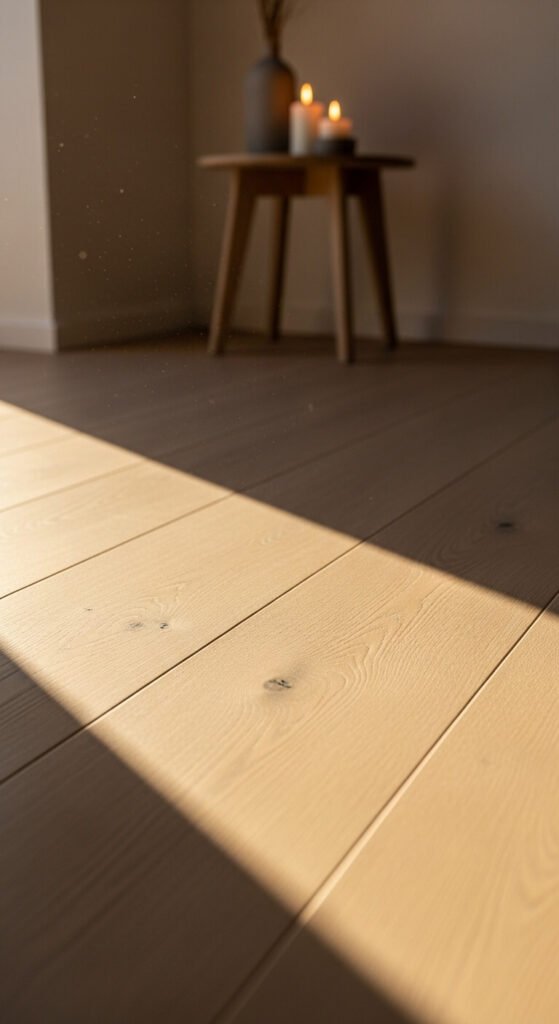
Wood is the soul of Scandinavian interiors. Light oak, pine, birch, and ash bring organic warmth without heaviness. You do not need to redo your floors. Add wood through small touches — a cutting board displayed in the kitchen, a small wooden stool as a side table, or wooden picture frames. Even a $10 pine shelf bracket can shift a room’s energy. Wood ages beautifully too. It gets better the longer it lives in your home.
4. Abundant Natural Light
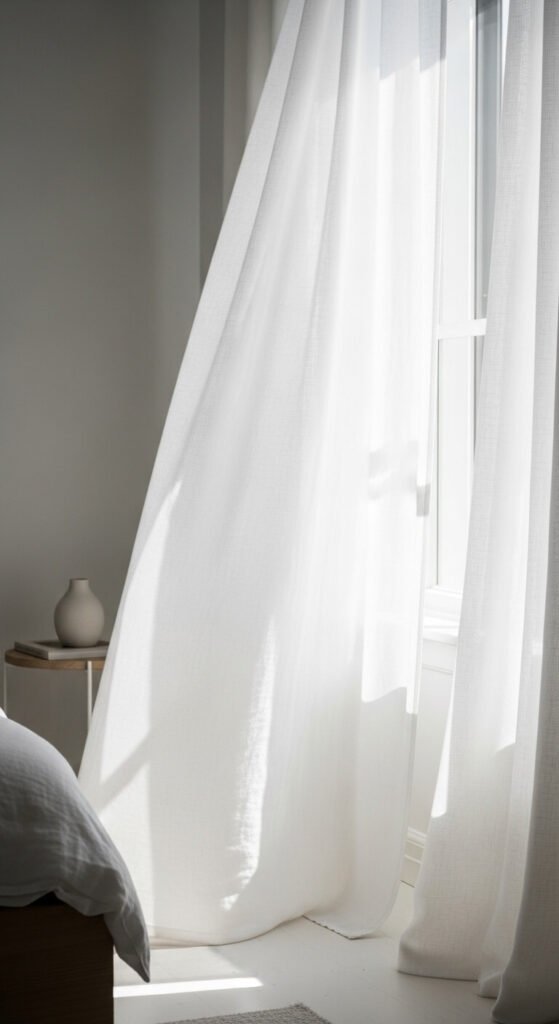
Nordic countries endure long winters, so they have mastered maximizing every drop of daylight. Keep window sills clear. Swap heavy drapes for sheer linen panels. Place mirrors opposite windows to bounce light deeper into a room. If your space lacks natural light, use warm-toned bulbs (around 2700K) in simple fixtures. The goal is a glow that feels like morning — gentle and steady. This costs almost nothing. Moving a piece of furniture away from a window is free.
5. Hygge-Inspired Textiles and Layers
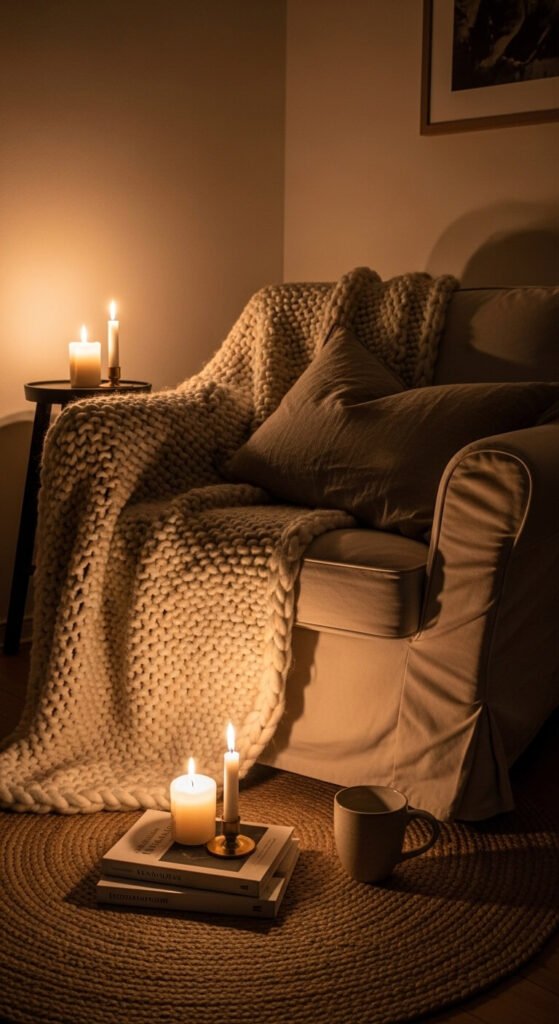
Hygge (the Danish art of coziness) lives in your textiles. Chunky knit throws, linen cushions, sheepskin rugs, and layered wool blankets create warmth you can feel and see. You do not need matching sets. Mix textures freely — a knitted throw over a linen chair, a sheepskin on a wood bench. Check discount home stores or thrift shops for wool blankets and linen pillowcases. Layer them. Pile them. The look is intentionally lived-in, so perfection is not the point.
6. The Single Statement Plant
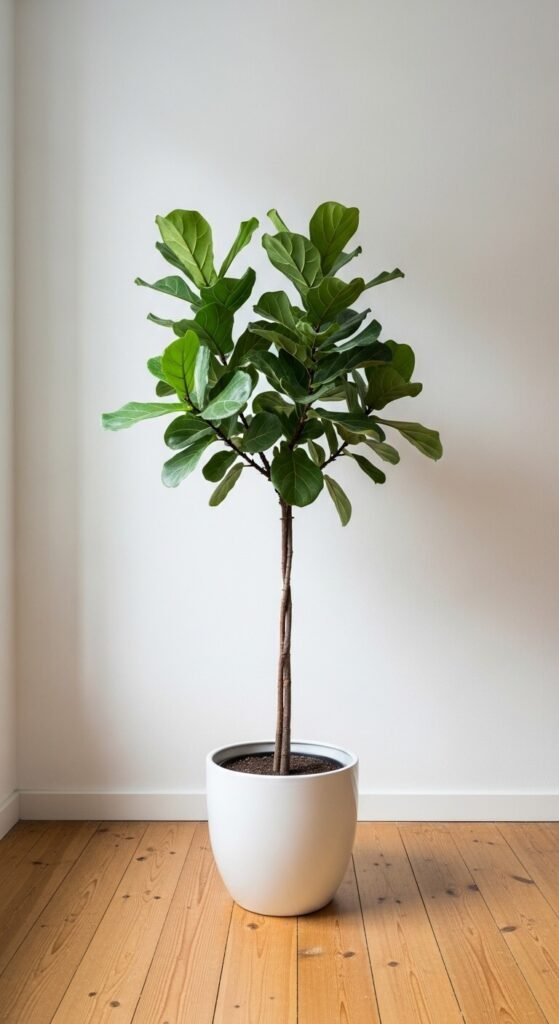
Scandinavian spaces do not crowd every corner with plants. They choose one beautiful, intentional plant and let it breathe. A fiddle leaf fig, a monstera, or a simple snake plant in a plain ceramic pot can anchor an entire room. Big plants from garden centers are often cheaper than you expect — especially at the end of the season. A single plant in a $5 thrift store pot does more for serenity than a shelf packed with small succulents.
7. Minimalist Wall Art
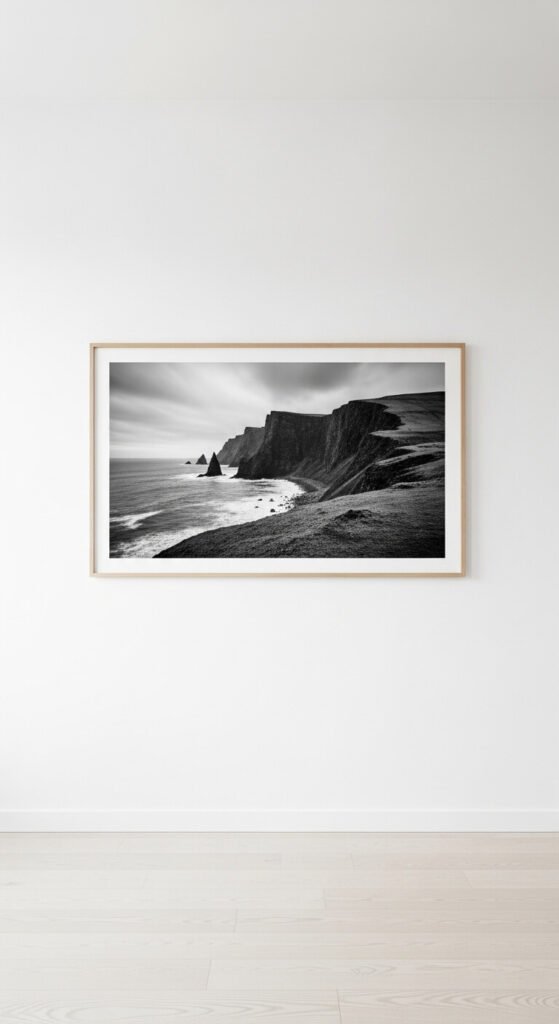
Less is more on Scandinavian walls. One large piece of art beats six small ones every time. Look for simple line drawings, black-and-white photography, or abstract prints in muted tones. You can print high-resolution art files from free sites like Unsplash and frame them yourself. A thin wood or black metal frame from a dollar store works perfectly. Hang it at eye level. Leave the space around it empty. The breathing room is part of the art.
8. Open Shelving Done With Restraint
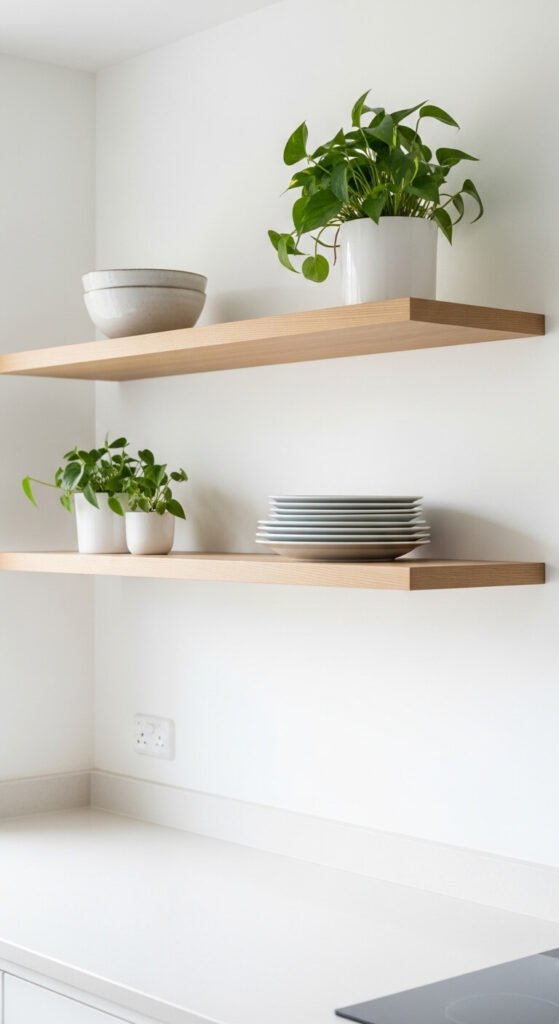
Open shelving looks stunning when it is curated, not crammed. Choose a few meaningful objects — a ceramic bowl, a plant, one stack of books. Leave visible space between items. A single pine shelf bracket and a plank of wood from a hardware store costs under $20 and can replace a whole cabinet of clutter. Edit ruthlessly. If something does not add to the calm, store it behind a door instead.
9. Candles as Daily Ritual
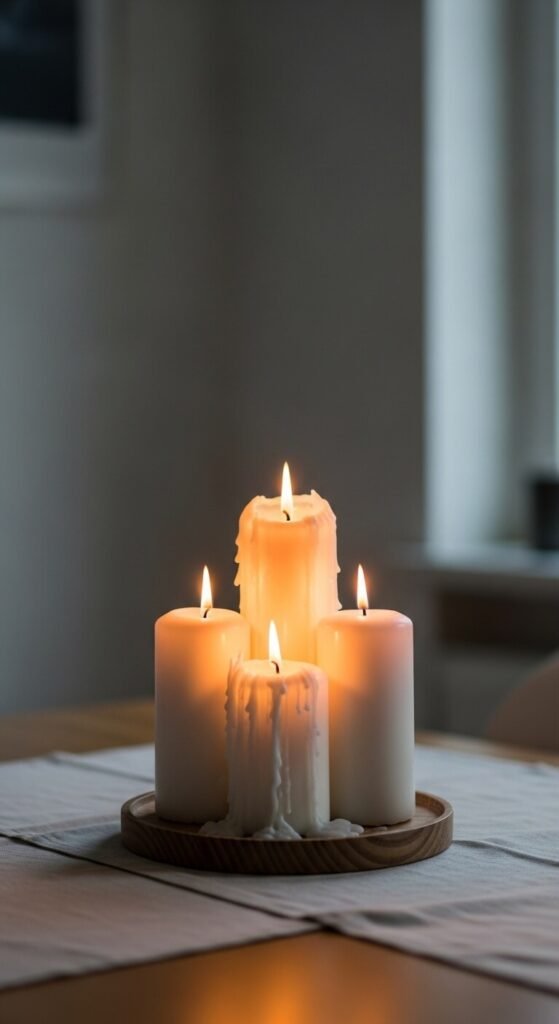
Candles are not decoration in Scandinavian homes — they are a daily ritual. Simple white or beeswax pillar candles on a wooden tray create instant warmth. You do not need fancy candles. Unscented white candles from a grocery store work beautifully. Group three together in varying heights. Place them on a wooden board, a slate tile, or even a ceramic plate. Light them at dinner. Light them after work. The act of lighting them is itself a small, grounding ceremony.
10. Matte Ceramics and Handmade Pottery
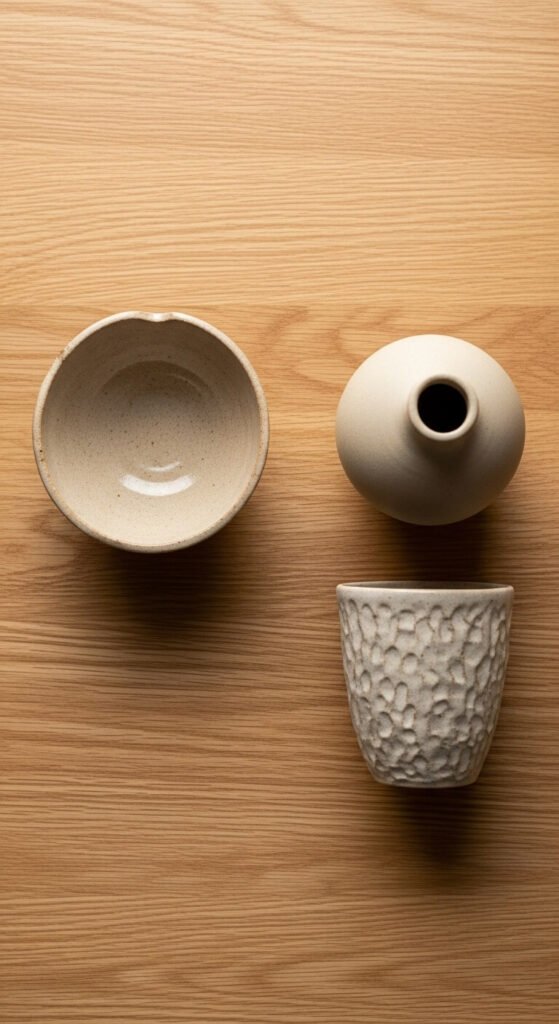
There is something deeply satisfying about an imperfect ceramic. Handmade pottery with visible texture, slightly uneven rims, and matte glazes fits the Scandinavian philosophy of embracing natural imperfection. Shop local pottery markets or online secondhand platforms. You can often find beautiful pieces for a few dollars. A single matte vase on a shelf or a handmade mug used every morning quietly shifts how a space — and a morning — feels.
11. A Dedicated “Empty” Corner
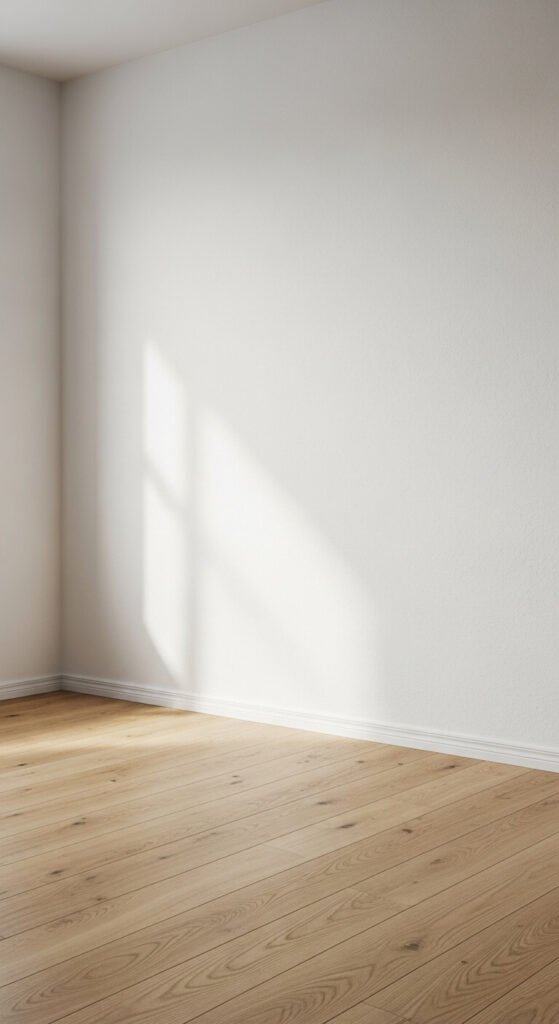
This one surprises people. Leave a corner completely empty. No furniture, no plant, no art. Just wall and floor meeting quietly. In Scandinavian design, negative space is not wasted space — it is breathing room for the eye and the mind. Try clearing one corner of a room you already have. Live with it for a week. Notice how the rest of the room feels calmer. Emptiness is a design choice, not an unfinished one.
12. Linen in Every Room
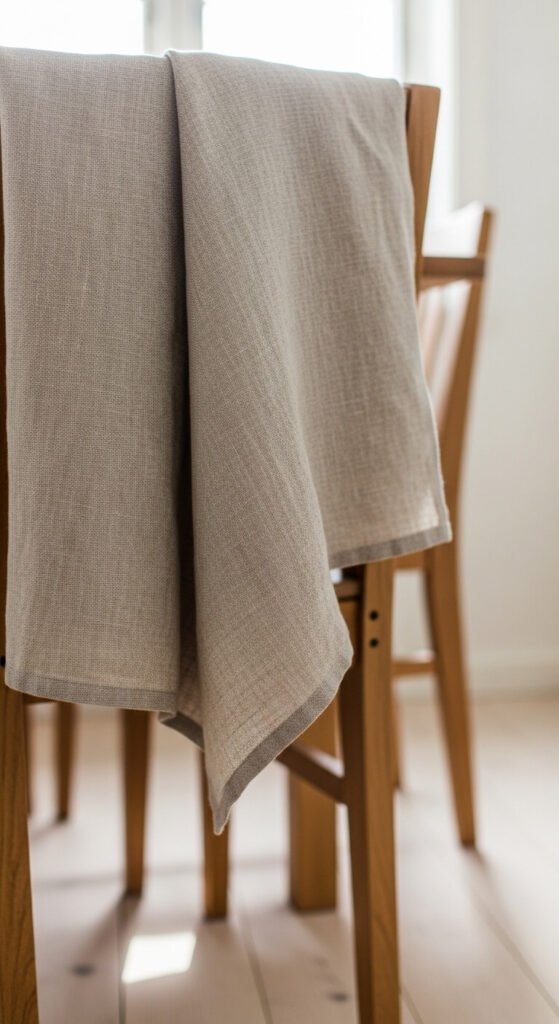
Linen is the fabric of Scandinavian interiors. It breathes, it wrinkles beautifully, and it gets softer with every wash. Use it for curtains, cushion covers, table runners, and bed sheets. Affordable linen from discount fabric stores or online retailers works just as well as premium brands. Wrinkles are not a flaw in this context — they are texture. A linen table runner draped loosely over a plain dining table costs very little and adds warmth that no synthetic fabric can replicate.
13. Low, Ambient Lighting Layers
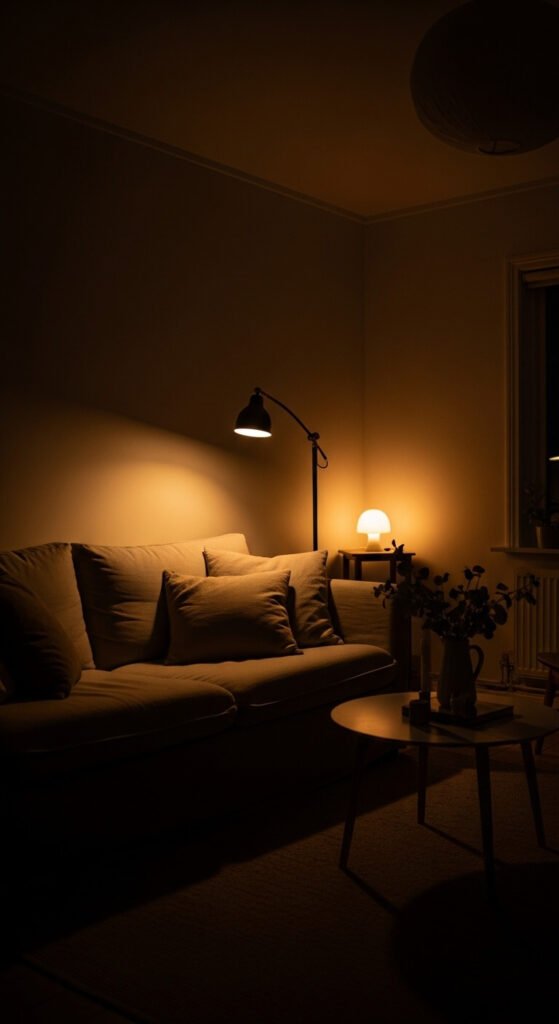
Overhead lighting is rarely used alone in Scandinavian homes. Instead, light comes in layers — a floor lamp here, a table lamp there, candles in the background. This creates depth and warmth that a single ceiling fixture never achieves. Add a simple arc floor lamp or a ceramic table lamp from a thrift store. Use warm-toned bulbs throughout. Turn off the overhead light in the evening. The shift in atmosphere is immediate and costs almost nothing extra on your electricity bill.
14. Natural Fibers on the Floor
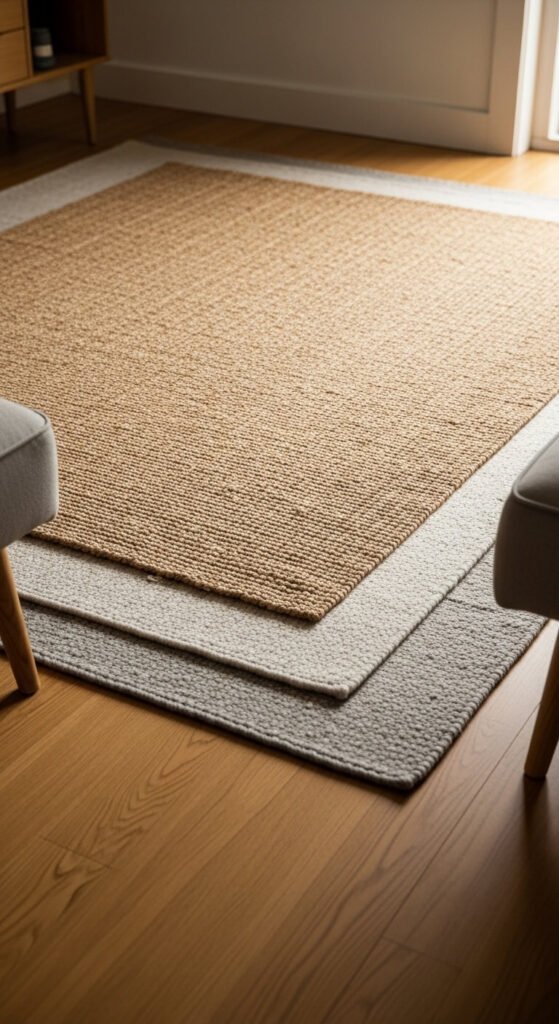
Jute, wool, and cotton flatweave rugs ground a Scandinavian space without competing with anything else. They add texture at foot level — the place you feel a room most physically. Large jute rugs are affordable and widely available. Layer a smaller wool rug on top for softness. A rug that covers most of the floor in a living space ties the room together and makes wood or tile floors feel warmer in cooler months.
15. A Simple, Well-Loved Book Collection
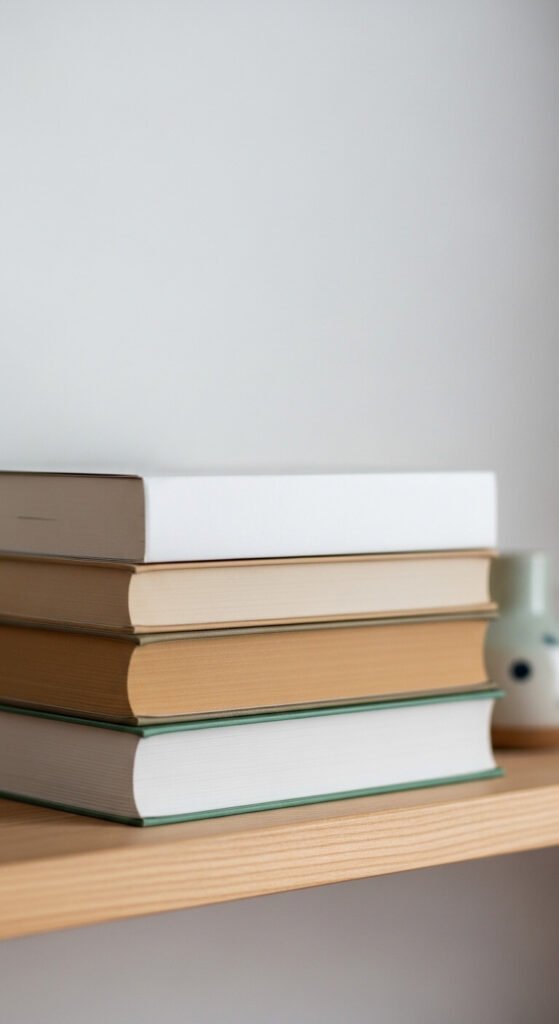
Books belong in Scandinavian spaces — but arranged with intention. A small, curated stack on a shelf or beside a chair signals a life of quiet reflection. Turn books spine-inward for a uniform look, or display only the ones with spines in muted tones. This is free if you already own books. Rearranging what you already have — editing down to your twenty favorite titles displayed simply — costs nothing and changes the entire energy of a shelf.
16. Wabi-Sabi-Adjacent Imperfection
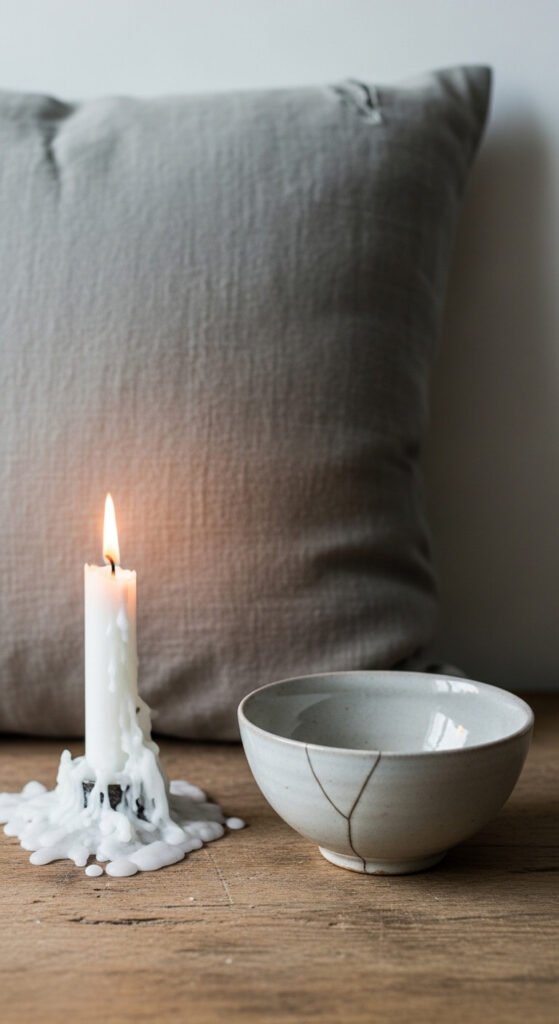
Scandinavian design is not about perfection. It values things that show their age honestly. A worn wooden table. A candle burned to the base. A ceramic with a hairline crack used proudly. Stop hiding the things that show use. Display them instead. A scratched cutting board, a faded linen pillow, a table with a water ring — these are not flaws to fix. They are evidence of a life lived in the space. That is the whole point.
17. The Raw Material Mix
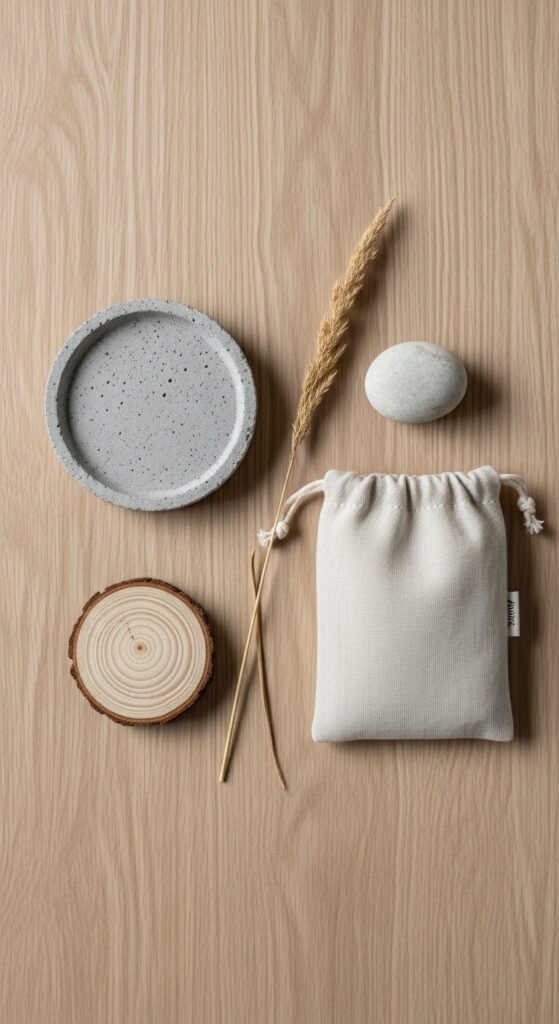
Scandinavian spaces mix concrete, stone, wood, linen, and ceramic without forcing them to match. The materials speak the same language because they all come from nature. Add a concrete candle holder. A smooth river stone as a decorative object. A raw slate tile used as a tray. These things cost almost nothing — sometimes literally free from a riverbank or building site. The mix of tactile materials gives a room depth that paint and furniture alone never achieve.
18. Pared-Back Kitchen Surfaces
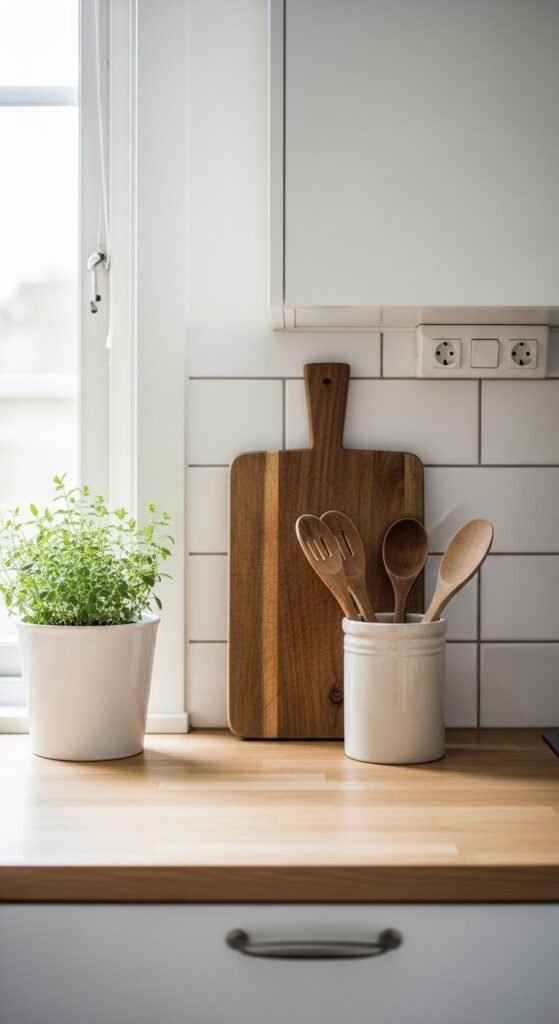
The Scandinavian kitchen counter holds almost nothing. Clear your counters down to three items: a cutting board, a utensil holder, and one plant. Everything else goes into a cabinet or drawer. This single act can make a kitchen feel twice as large. It also makes cooking more enjoyable — the surface is ready, clear, and calm. You do not need to buy anything new. Subtract instead of adding.
19. Thoughtful Storage That Hides Clutter
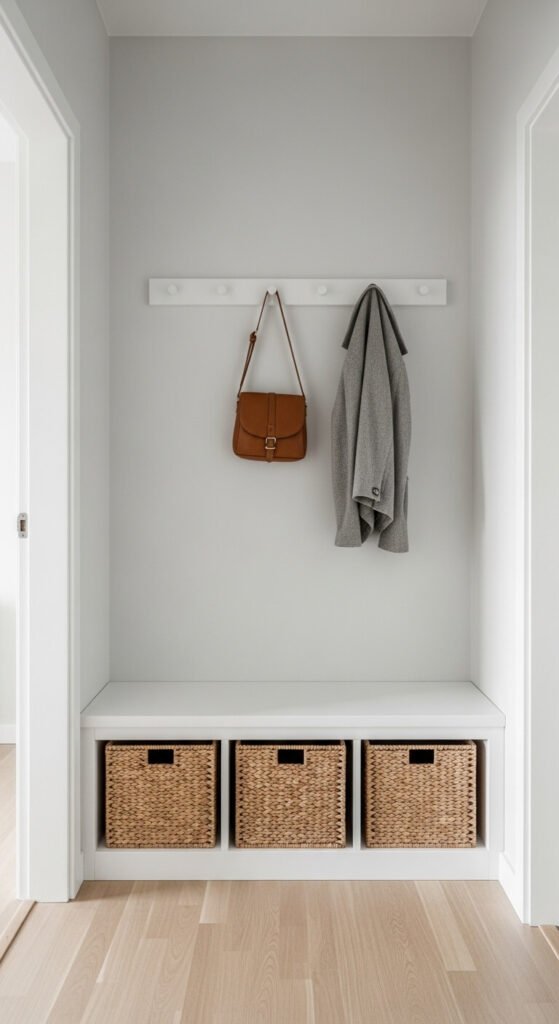
Storage is quiet in Scandinavian homes. Baskets, lidded boxes, and built-in benches hide what needs to be hidden. You do not need a renovation. Three matching wicker baskets from a discount store, used consistently, create instant organization. One basket for remotes, one for blankets, one for miscellaneous items. When everything has a home that is out of sight, the visible surfaces stay calm. Calm surfaces calm the mind. That is not a coincidence.
20. A Mindful Morning Ritual Space
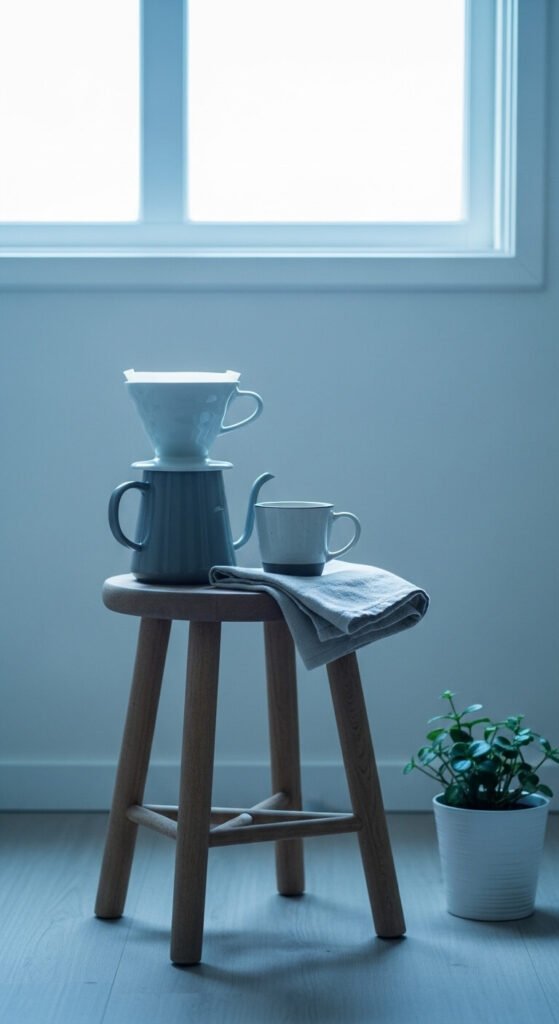
Scandinavian design is not just visual — it is behavioral. Create one small corner dedicated to a single slow ritual: morning coffee, journaling, or stretching. A low stool, a ceramic mug, a small plant. That is all. This space does not need to be large or expensive. It needs to be intentional. When a physical space signals “slow down,” your body responds to it. Design your environment to support the pace you actually want to live at.
21. Dried Botanicals Over Fresh Flowers
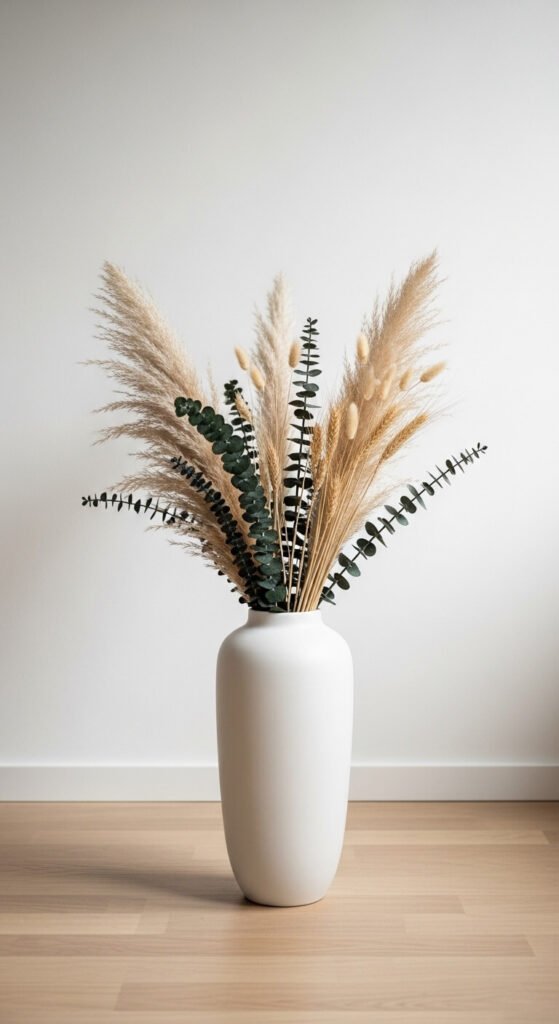
Dried botanicals are the Scandinavian florist’s best-kept secret. Pampas grass, dried wheat, preserved eucalyptus, and cotton stems last for years with zero maintenance. They are widely available at craft stores or farmers’ markets, often for just a few dollars. A tall matte vase filled with dried pampas grass makes a dramatic, serene statement. No watering. No wilting. No replacing. The arrangement gets more beautiful as it fades — which is exactly the point.
22. The Slow Home Mindset as the Final Layer
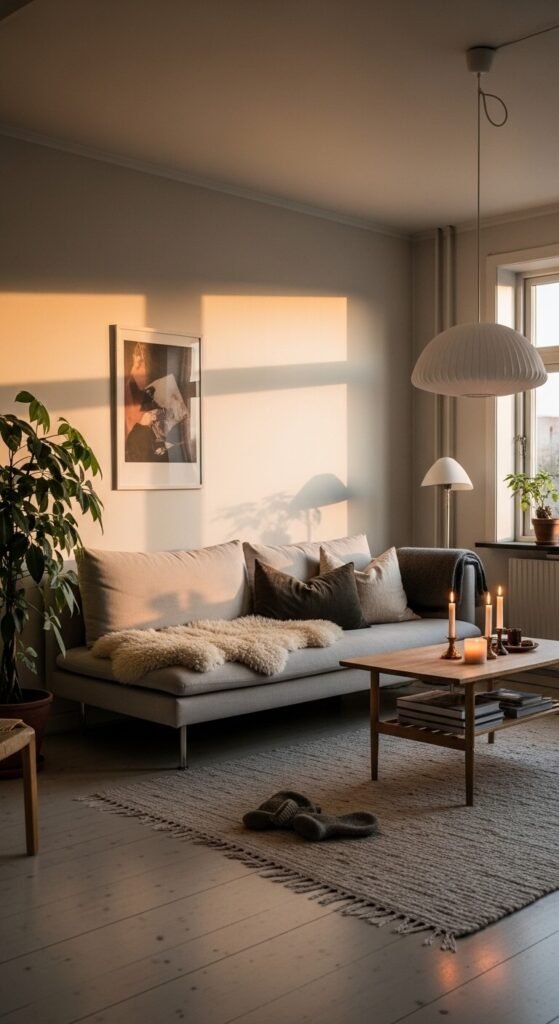
The final element is not something you buy. It is a decision about pace. Scandinavian design philosophy asks you to bring fewer things into your home, care more deeply for what you already have, and design your space to slow you down. This means resisting the urge to fill every surface, buy every trend, and renovate every season. Walk through your home with fresh eyes. Ask what is earning its place. Remove what is not. Serenity is not a style — it is what is left when the unnecessary is gone.
Conclusion
Scandinavian design is not about buying a specific brand of furniture or following a rigid set of rules. It is about paying closer attention — to what you own, how your space feels, and what your environment is quietly asking of you. The 22 elements in this list are all accessible, most are free or very affordable, and every single one can be applied gradually at your own pace. Start with one corner. Clear one surface. Add one candle. Small, deliberate changes compound over time. Six months from now, your home could feel like a completely different place — calmer, warmer, and entirely your own.