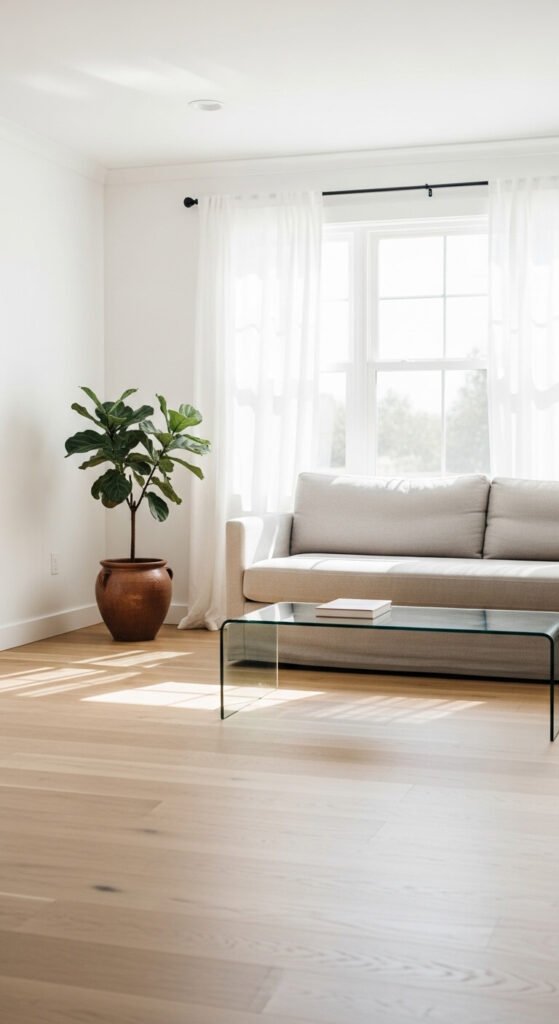
Minimalism isn’t about living with nothing. It’s about making room for what matters. When you strip away excess, you create space for peace, clarity, and freedom. Your home becomes a sanctuary instead of a storage unit. These principles will show you how to simplify your surroundings without sacrificing comfort or style. You’ll learn practical ways to declutter, organize, and maintain a calm environment that supports your daily life. Ready to breathe easier?
Start With One Room at a Time

Don’t overwhelm yourself by tackling your entire house at once. Pick one room and commit to finishing it completely.
Start with your bedroom since you spend a third of your life there. Remove everything from surfaces. Keep only your alarm clock and maybe one plant. Store clothes you haven’t worn in six months in boxes. If you don’t miss them after a month, donate them.
Clear nightstands make mornings calmer. Empty floors make cleaning faster. One finished room will motivate you to continue.
Use the One-In-One-Out Rule

Every time something new enters your home, something old must leave. This prevents accumulation and forces intentional buying decisions.
Bought a new shirt? Donate an old one. Got a new mug? Say goodbye to the chipped one you never use. This rule works for everything from kitchen gadgets to throw pillows.
Keep a donation box in your closet. When it fills up, drop it off immediately. You’ll shop less impulsively when you know each purchase requires letting something go. Your space stays balanced without constant purging sessions.
Clear Your Countertops Daily

Visible clutter creates mental noise. Clear counters signal calm and control.
Put away appliances you don’t use daily. Coffee maker and toaster can stay out if you use them every morning. Everything else goes in cabinets. Corral kitchen tools in one drawer instead of spreading them across containers.
In bathrooms, limit countertop items to hand soap and one decorative element. Store toiletries in medicine cabinets or under-sink organizers. Wipe surfaces quickly each evening. You’ll wake up to visual peace instead of chaos. Clear spaces also make actual cleaning take five minutes instead of twenty.
Choose Quality Over Quantity

Buy fewer things, but buy them well. One great item beats five mediocre ones.
Invest in a durable couch instead of replacing cheap furniture every few years. Choose solid wood over particle board. Select classic styles that won’t look dated in five years. Quality pieces cost more upfront but save money long-term.
Apply this to everything. Two excellent pans serve you better than ten flimsy ones. Three well-fitting shirts beat twenty that don’t quite work. You’ll spend less time shopping, maintaining, and replacing. Your space feels curated instead of cluttered.
Create a Capsule Wardrobe

Reduce decision fatigue by limiting your wardrobe to versatile basics that mix and match effortlessly.
Keep 30-40 pieces per season including shoes. Stick to neutral colors like black, white, gray, navy, and beige. Add one or two accent colors you love. Every piece should fit well and make you feel confident.
Donate clothes that don’t fit or make you happy. Store off-season items separately. Getting dressed takes two minutes instead of twenty. Laundry becomes manageable. You’ll actually wear everything you own instead of cycling through the same five outfits.
Digitize Your Paper Trail

Paper piles multiply fast. Go digital to reclaim physical space and find documents instantly.
Photograph receipts with your phone immediately after purchases. Use free apps like Google Drive or Dropbox to organize scanned files. Set up automatic bill pay to eliminate paper statements. Shred documents after scanning.
Keep only legal papers like birth certificates and property deeds in one fireproof box. Everything else can go digital. You’ll never lose an important receipt again. Filing cabinets can become empty space or leave entirely. Searching files takes seconds instead of hours digging through folders.
Embrace Empty Space
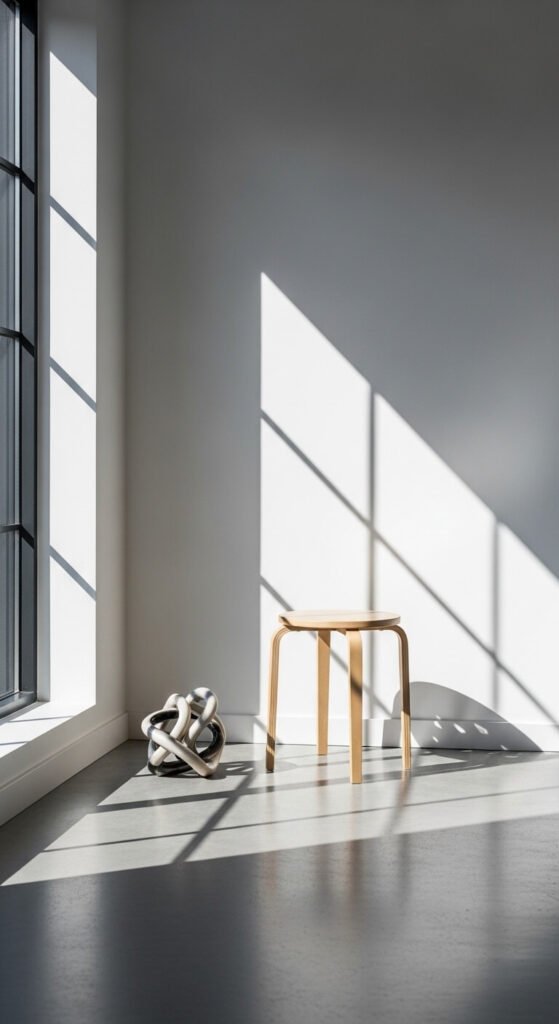
Empty space isn’t wasted space. It’s visual rest for your brain.
Don’t feel obligated to fill every corner with furniture or decor. Leave walls blank. Keep surfaces bare. Allow breathing room between furniture pieces. This creates flow and makes rooms feel larger.
You don’t need artwork on every wall or tchotchkes on every shelf. Choose one statement piece per room instead of many small ones. Empty space highlights what you do display. It makes cleaning easier and moving furniture simpler. Your home feels peaceful instead of busy.
Implement the 90/90 Rule

If you haven’t used something in 90 days and won’t use it in the next 90, let it go.
Walk through your home with this question in mind. That bread maker gathering dust? Gone. Books you’ll never reread? Donate them. Cables for devices you no longer own? Recycle them.
Exceptions exist for seasonal items like holiday decorations or winter coats. But most things collecting dust simply take up space. Someone else could use them right now. You’ll feel lighter immediately. Storage areas become functional instead of packed with forgotten items.
Master Your Flat Surfaces

Tables, desks, and shelves attract clutter like magnets. Designate specific purposes for each surface.
Your entryway table holds keys and mail only. Your desk is for working, not storage. Shelves display books you actually read or meaningful objects, not random collections.
Use the “touch it once” rule for incoming items. Mail gets sorted immediately—bills in one folder, junk in recycling. Don’t set things down “temporarily.” Put them in proper homes right away. You’ll spend less time organizing because items never pile up. Surfaces stay functional and attractive.
Adopt a Neutral Color Palette
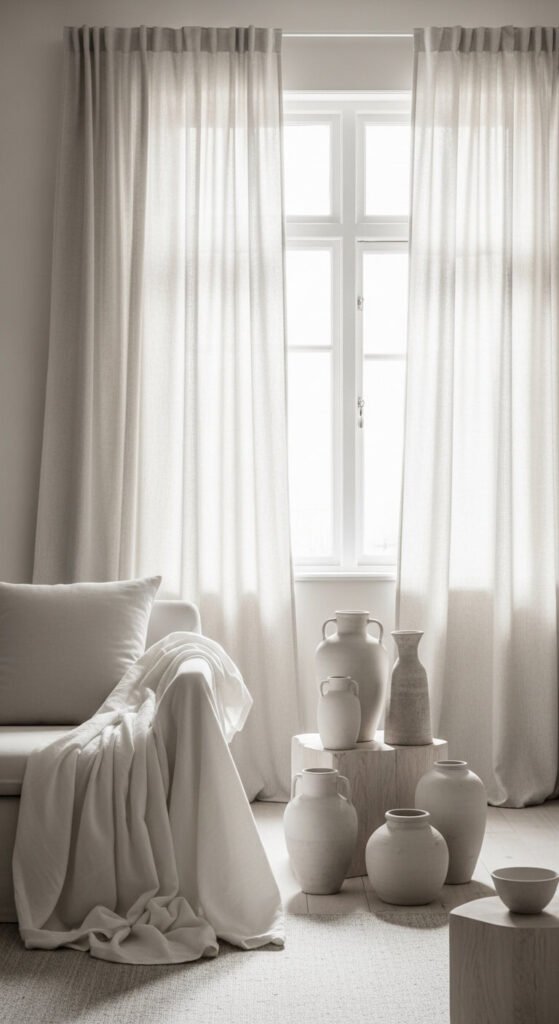
Limiting your color scheme creates visual harmony and makes decorating decisions easier.
Stick to whites, grays, beiges, and blacks as your base. Add warmth with wood tones. Include one accent color if you want personality. This applies to furniture, decor, linens, and dishware.
Neutral doesn’t mean boring. Play with textures instead—linen curtains, wool throws, ceramic vases. Everything coordinates automatically. You can swap items between rooms without clashing. Shopping becomes simpler because you know what works. Your space feels intentional and sophisticated.
Practice the 12-12-12 Challenge

Once a month, find 12 items to throw away, 12 to donate, and 12 to return to their proper homes.
Set a timer for 20 minutes and move quickly. Don’t overthink decisions. Broken items get tossed. Unused items get donated. Misplaced items go back where they belong.
This regular practice prevents slow accumulation. You’ll catch clutter before it builds. The time limit keeps you from getting overwhelmed or sentimental. Make it a family activity with kids. You maintain your minimalist home without massive decluttering sessions. Small consistent actions beat occasional marathons.
Create Zones for Everything

Assign specific locations for categories of items. Like goes with like.
All cleaning supplies live under the kitchen sink. All office supplies stay in one desk drawer. All workout gear goes in one closet section. Label containers if it helps family members remember.
When everything has a zone, you’ll know exactly where to find it. Putting things away becomes automatic. You won’t buy duplicates because you can see what you already have. Zones make decluttering obvious—if it doesn’t fit in the designated space, you own too many. Kids can clean up independently when zones are clear.
Eliminate Duplicate Items

You don’t need seven spatulas or fifteen coffee mugs. Keep only what you actually use regularly.
Count your duplicates. Most people need dishes and silverware for the number of people in their home plus two extras for guests. One set of measuring cups and spoons works fine. Three towels per person is plenty.
Pare down to your favorites and donate the rest. You’ll have more cabinet space. Dishes won’t pile up because you’ll run out and wash them sooner. Fewer choices make cooking and cleaning faster. You use and enjoy what you keep instead of digging through junk.
Design a Drop Zone

Create a landing spot near your main entrance for items that come and go daily.
Install hooks for coats and bags. Place a small table or shelf for keys and mail. Add a basket or tray for shoes. Keep it simple and accessible.
This prevents clutter from spreading throughout your home. Everyone knows where to drop and grab their stuff. You’ll never search for keys again. Guests have a clear spot for their belongings. Your living spaces stay clear because daily items never make it past the entryway.
Buy Only What You Love

Wait 24 hours before buying anything non-essential. If you still think about it the next day, it might be worth getting.
Ask yourself: Do I love this? Will I use it weekly? Do I have space for it? Does it match what I already own? If you answer no to any question, walk away.
Take photos of items you’re considering instead of impulse buying. You’ll realize most weren’t that special after all. This saves money and prevents regret purchases. Your home only contains things you genuinely want. Shopping becomes about finding the right thing, not filling carts.
Maintain Clear Pathways

Keep all walking paths completely clear of furniture, shoes, bags, and other obstacles.
Measure a minimum 36-inch width for hallways and pathways between furniture. Push furniture against walls instead of floating it randomly. Store shoes in closets, not entryway floors.
Clear paths make your home feel larger and more peaceful. You won’t trip over things or stub your toes. Cleaning becomes quick because you can vacuum straight lines. Moving furniture for deep cleaning takes minutes. Your home feels open and welcoming instead of cramped and cluttered.
Rotate Seasonal Items

Store off-season clothing, decor, and gear separately. Only display what’s currently useful.
Pack winter coats in bins when spring arrives. Store holiday decorations after use. Keep summer sports equipment in the garage during winter months. Label everything clearly.
This frees up active storage for what you need right now. Your closets aren’t bursting. You can find current items easily. Seasonal transitions become simple swaps instead of major reorganizations. Under-bed storage containers or garage shelving work perfectly. You’ll appreciate each season’s items instead of living among irrelevant clutter.
Set Boundaries on Sentimental Items

Memories live in your heart, not in boxes. Keep only your most meaningful sentimental items.
Choose one box or bin for keepsakes. When it fills, you must let something go to add something new. Take photos of bulky items before donating them. Display a few special pieces instead of storing everything.
Frame your favorite childhood drawing instead of keeping 50. Keep one baby outfit, not the entire wardrobe. Scan old letters and cards. You’ll actually see and enjoy what you keep instead of storing boxes you never open. Let go of guilt. Your memories remain intact.
Practice Mindful Consumption

Before bringing anything home, consider its full lifecycle. Where will it live? How will you maintain it? What happens when you’re done with it?
Skip freebies and promotional items you don’t actually want. Borrow tools you’ll use once instead of buying them. Choose products with minimal packaging. Buy secondhand when possible.
Rent special occasion items like formal wear or camping gear. Share resources with neighbors. Fix things instead of replacing them immediately. Every item you don’t buy saves money and space. You become a curator of your life instead of a collector of stuff.
Conclusion
Minimalism gives you back time, money, and mental energy. These principles aren’t about deprivation. They’re about intention. Start small with one room or one habit. Notice how clearing physical space clears your mind. You’ll find what matters most when you remove what doesn’t. Your home will become a place that supports your goals instead of draining your resources. Take action today on just one principle. Tomorrow, pick another. Before long, simplicity becomes your natural state.